As a supplier of Machine Room Less (MRL) elevators, I am often asked about the technology that powers these innovative vertical transportation solutions. In this blog post, I will delve into the key technologies behind MRL elevators, highlighting their benefits and explaining why they are an excellent choice for modern buildings. Machine Room Less Elevators
Traction Technology
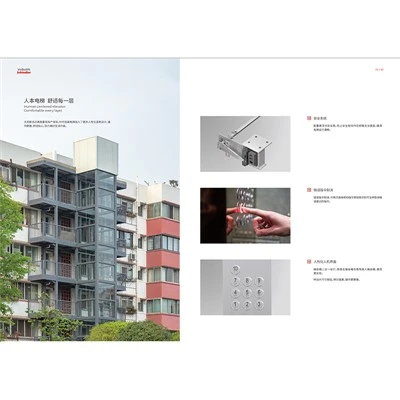
At the heart of every MRL elevator lies the traction technology. Unlike traditional elevators that use a separate machine room to house the drive equipment, MRL elevators integrate the traction machine directly into the hoistway. This innovative design eliminates the need for a dedicated machine room, saving valuable space in the building.
The traction machine is responsible for driving the elevator car up and down the hoistway. It consists of an electric motor, a gearbox (in some cases), and a traction sheave. The motor generates the power required to move the elevator, while the gearbox (if present) provides the necessary torque and speed reduction. The traction sheave, which is a grooved pulley, is connected to the motor and drives the elevator ropes.
One of the key advantages of MRL elevators is their use of gearless traction machines. These machines offer several benefits over traditional geared machines, including higher efficiency, lower maintenance requirements, and quieter operation. Gearless traction machines use a permanent magnet motor that is directly connected to the traction sheave, eliminating the need for a gearbox. This not only reduces the number of moving parts but also improves the overall efficiency of the elevator.
Counterweight System
Another important component of MRL elevators is the counterweight system. The counterweight is a heavy mass that is attached to the elevator ropes on the opposite side of the car. Its purpose is to balance the weight of the car and its load, reducing the amount of energy required to move the elevator.
The counterweight is typically designed to be slightly heavier than the empty elevator car. This means that when the elevator is ascending, the counterweight descends, and vice versa. By using a counterweight, the traction machine only needs to provide the additional force required to overcome the difference in weight between the car and the counterweight, as well as the friction in the system. This results in significant energy savings, especially in high-rise buildings where the elevator is in constant use.
In addition to energy savings, the counterweight system also improves the safety and stability of the elevator. It helps to prevent the elevator from free-falling in the event of a rope breakage or other malfunction by providing a counterbalancing force. The counterweight also helps to reduce the wear and tear on the ropes and other components of the elevator system, extending their lifespan.
Control System
The control system is the brain of the MRL elevator, responsible for managing the operation of the elevator and ensuring the safety and comfort of the passengers. It consists of a series of sensors, controllers, and software algorithms that work together to monitor the elevator’s position, speed, and direction, as well as the status of the doors, safety devices, and other components.
The control system uses a variety of sensors to gather information about the elevator’s operation. These sensors include position sensors, speed sensors, door sensors, and safety sensors. The position sensors are used to determine the exact location of the elevator car in the hoistway, while the speed sensors monitor the elevator’s speed and acceleration. The door sensors detect the position and status of the elevator doors, ensuring that they are fully closed before the elevator moves. The safety sensors, such as the overspeed governor and the safety brakes, are designed to detect and prevent dangerous situations, such as overspeeding or free-falling.
The controllers in the control system receive the data from the sensors and use it to make decisions about the elevator’s operation. They are responsible for controlling the speed and direction of the elevator, as well as the opening and closing of the doors. The controllers also communicate with the building’s fire alarm system and other emergency systems to ensure that the elevator can be safely operated in the event of an emergency.
The software algorithms in the control system are designed to optimize the elevator’s performance and efficiency. They use advanced algorithms to analyze the traffic patterns in the building and adjust the elevator’s operation accordingly. For example, they can group passengers going to the same floor together to reduce the number of stops and improve the overall speed of the elevator. They can also adjust the elevator’s speed and acceleration based on the load and the distance to the next stop to minimize energy consumption.
Safety Features
Safety is of utmost importance in the design and operation of MRL elevators. These elevators are equipped with a variety of safety features to ensure the protection of the passengers and the integrity of the elevator system.
One of the key safety features of MRL elevators is the overspeed governor. The overspeed governor is a mechanical device that monitors the speed of the elevator and activates the safety brakes if the elevator exceeds a predetermined speed. It consists of a centrifugal governor that is connected to the elevator ropes. As the elevator speed increases, the governor rotates faster, causing a mechanism to engage the safety brakes. This stops the elevator and prevents it from free-falling.
Another important safety feature is the safety brakes. The safety brakes are designed to stop the elevator in the event of an emergency, such as a rope breakage or an overspeed condition. They are typically located at the bottom of the elevator car and are activated by the overspeed governor or other safety sensors. The safety brakes use a powerful spring mechanism to clamp onto the guide rails, bringing the elevator to a stop.
In addition to the overspeed governor and the safety brakes, MRL elevators are also equipped with a variety of other safety features, such as door interlocks, emergency stop buttons, and fire service switches. The door interlocks ensure that the elevator doors cannot be opened unless the elevator is at a landing and the doors are properly aligned. The emergency stop buttons allow passengers to stop the elevator in the event of an emergency. The fire service switches are used by firefighters to take control of the elevator during a fire or other emergency situation.
Energy Efficiency
Energy efficiency is a major concern in the design and operation of modern buildings. MRL elevators are designed to be highly energy-efficient, helping to reduce the energy consumption and operating costs of the building.
One of the key factors contributing to the energy efficiency of MRL elevators is their use of gearless traction machines. These machines are more efficient than traditional geared machines, as they eliminate the energy losses associated with the gearbox. In addition, gearless traction machines use permanent magnet motors, which are more efficient than conventional motors. These motors have a higher power density and require less energy to operate.
Another factor contributing to the energy efficiency of MRL elevators is the use of regenerative drive systems. Regenerative drive systems are designed to capture and reuse the energy that is normally dissipated as heat during the braking process. When the elevator is descending or coming to a stop, the regenerative drive system converts the kinetic energy of the elevator into electrical energy and feeds it back into the building’s electrical grid. This not only reduces the energy consumption of the elevator but also helps to reduce the overall energy consumption of the building.
In addition to gearless traction machines and regenerative drive systems, MRL elevators are also designed with other energy-saving features, such as LED lighting, standby mode, and energy-efficient control systems. LED lighting is used in the elevator car and the hoistway to reduce energy consumption. Standby mode allows the elevator to conserve energy when it is not in use. The energy-efficient control systems use advanced algorithms to optimize the elevator’s operation and reduce energy consumption.
Benefits of MRL Elevators
MRL elevators offer several benefits over traditional elevators, making them an excellent choice for modern buildings.
One of the main benefits of MRL elevators is their space-saving design. By eliminating the need for a dedicated machine room, MRL elevators free up valuable space in the building that can be used for other purposes, such as additional offices, retail space, or parking. This not only increases the usable area of the building but also reduces the construction costs.
Another benefit of MRL elevators is their energy efficiency. As mentioned earlier, MRL elevators are designed to be highly energy-efficient, helping to reduce the energy consumption and operating costs of the building. This not only saves money for the building owner but also helps to reduce the environmental impact of the building.
In addition to space-saving and energy efficiency, MRL elevators also offer improved safety and reliability. These elevators are equipped with a variety of safety features, such as overspeed governors, safety brakes, and door interlocks, to ensure the protection of the passengers and the integrity of the elevator system. They are also designed with high-quality components and advanced control systems to ensure reliable operation.
Finally, MRL elevators offer a more aesthetically pleasing solution compared to traditional elevators. The absence of a machine room allows for a more flexible and modern design, with the elevator hoistway blending seamlessly into the building’s architecture. This not only enhances the overall appearance of the building but also provides a more pleasant experience for the passengers.
Conclusion
In conclusion, MRL elevators are a revolutionary vertical transportation solution that offers several advantages over traditional elevators. They use advanced traction technology, counterweight systems, control systems, and safety features to provide a safe, efficient, and reliable mode of transportation. The space-saving design, energy efficiency, and aesthetic appeal of MRL elevators make them an excellent choice for modern buildings.
Residential Elevators If you are considering installing an elevator in your building, I encourage you to explore the benefits of MRL elevators. Our company specializes in the supply and installation of high-quality MRL elevators, and we would be happy to discuss your specific requirements and provide you with a customized solution. Contact us today to learn more about our products and services and to start the conversation about your elevator project.
References
- ASME A17.1 – Safety Code for Elevators and Escalators
- ISO 22559 – Lifts (elevators) – Machine-room-less elevators
- Elevator World Magazine
- National Fire Protection Association (NFPA) Codes and Standards
Ningbo Dongao Elevator Co., Ltd.
As one of the most experienced machine room less elevators manufacturers and suppliers in China, we also support customized service. We warmly welcome you to buy high quality machine room less elevators for sale here from our factory. For quotation, contact us now.
Address: No. 16 Xiapan Road, Ninghai County, Ningbo City, Zhejiang Province
E-mail: 13777289058@163.com
WebSite: https://www.daelevator.com/
