How to Stack Plastic Drums in High – Humidity Environments
As a seasoned supplier of stacking plastic drums, I’ve witnessed firsthand the unique challenges that high – humidity environments pose. In this blog, I’ll share some in – depth insights and practical tips on how to stack plastic drums safely and effectively in such conditions. Stacking Plastic Drum

Understanding the Impact of High Humidity on Plastic Drums
High humidity can have several detrimental effects on plastic drums. The most obvious one is the potential for corrosion. Although plastic is generally resistant to rust, the moisture in the air can cause the metal components of the drum, such as the closures or any attached metal parts, to corrode over time. This corrosion can weaken the structural integrity of the drum and may even lead to leaks.
Another issue is the growth of mold and mildew. Plastic drums in high – humidity areas provide an ideal breeding ground for mold and mildew. These fungi not only look unappealing but can also contaminate the contents of the drums, especially if they are used to store food, pharmaceuticals, or other sensitive materials.
Moreover, the constant presence of moisture can cause the plastic to become more brittle or lose its flexibility over time. This is due to the plastic’s interaction with water, which can disrupt its molecular structure. As a result, the drums may be more prone to cracking or breaking during stacking or handling.
Pre – Stacking Preparations
Inspection
Before stacking the plastic drums, a thorough inspection is crucial. Check for any signs of damage, such as cracks, dents, or scratches. Even a small crack can become a significant problem in a high – humidity environment, as moisture can seep in and cause further damage. Inspect the closures as well to ensure they are tight – fitting and in good condition.
Cleaning
Cleaning the drums is an essential step. Use a mild detergent and water to wash the exterior of the drums, removing any dirt, debris, or contaminants. Pay special attention to the areas around the closures and seams. After cleaning, dry the drums thoroughly. You can use a clean cloth or allow them to air – dry in a well – ventilated area. This helps to prevent the growth of mold and mildew.
Treatment
Consider applying a protective coating to the drums. There are various types of coatings available on the market that can provide an extra layer of protection against moisture. Some coatings are designed to be water – repellent, while others can inhibit the growth of mold and mildew. Make sure to choose a coating that is compatible with the type of plastic used in the drums.
Stacking Techniques
Foundation
The foundation for stacking plastic drums in a high – humidity environment is critical. Choose a flat, stable surface that is elevated slightly to prevent water pooling. Avoid placing the drums directly on the ground, as this can expose them to more moisture. You can use pallets or racks to create a raised platform. Pallets are a cost – effective option, and they allow for air circulation beneath the drums.
Stacking Pattern
The stacking pattern should be carefully planned. For most plastic drums, a pyramid or column stacking pattern is recommended. In a pyramid pattern, the drums are stacked in a way that the top layer is smaller than the bottom layer, providing stability. Column stacking involves stacking the drums vertically in straight columns. Make sure to align the drums properly to avoid any uneven weight distribution, which could lead to the stack collapsing.
Height Limitations
It’s important to adhere to the height limitations when stacking plastic drums. Over – stacking can increase the risk of collapse, especially in a high – humidity environment where the drums may be more prone to damage. The height limit will depend on the size and type of the drums, as well as the stability of the foundation. As a general rule, avoid stacking drums more than three to four layers high unless you have a strong and stable support structure.
Environmental Considerations
Ventilation
Proper ventilation is essential in high – humidity environments. Good air circulation helps to reduce the moisture content in the air around the drums. You can install fans or ventilation systems in the storage area to ensure a constant flow of air. This not only helps to prevent mold and mildew growth but also reduces the risk of the plastic becoming brittle.
Temperature Control
Maintaining a stable temperature in the storage area can also help to mitigate the effects of high humidity. Fluctuations in temperature can cause condensation to form on the drums, which can lead to corrosion and other problems. Try to keep the temperature within a reasonable range, ideally between 10°C to 30°C (50°F to 86°F).
Humidity Monitoring
Regularly monitor the humidity levels in the storage area. You can use a hygrometer to measure the relative humidity. If the humidity levels are consistently high, consider using dehumidifiers to reduce the moisture content in the air. Aim to keep the relative humidity below 60% to minimize the risk of damage to the plastic drums.
Maintenance and Monitoring
Regular Checks
Once the drums are stacked, conduct regular checks to ensure their integrity. Look for any signs of damage, such as cracks, leaks, or corrosion. Check the closures to make sure they are still tight – fitting. If you notice any problems, take immediate action to address them. This may involve replacing a damaged drum or tightening a loose closure.
Record – Keeping
Keep detailed records of the inspections and any maintenance activities. This can help you to track the condition of the drums over time and identify any recurring issues. It also provides valuable information in case of any quality control or safety audits.
Conclusion
Stacking plastic drums in high – humidity environments requires careful planning, proper preparation, and ongoing maintenance. By understanding the impact of high humidity on the drums, following the right stacking techniques, and controlling the environmental conditions, you can ensure the safety and longevity of the drums.
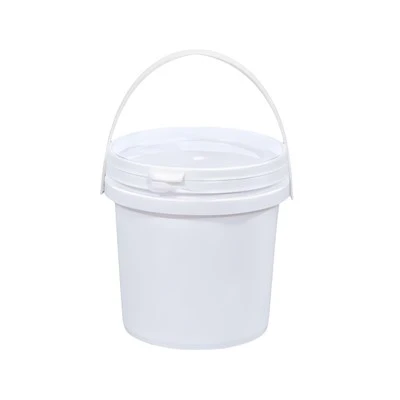
If you’re in the market for high – quality stacking plastic drums or need more advice on handling them in challenging environments, I’m here to help. Our team of experts has extensive experience in providing solutions for various storage needs. Whether you’re a small business or a large industrial operation, we can offer the right products and guidance to meet your requirements.
IBC Tank Don’t hesitate to reach out to us to discuss your specific needs and explore how our plastic drums can benefit your operations. We look forward to the opportunity to serve you and help you find the best stacking solutions for your high – humidity environment.
References
- ASTM International standards related to plastic drum storage and handling.
- Industry guides on managing high – humidity storage environments.
- Technical literature from plastic drum manufacturers on the effects of humidity on their products.
Jiangsu Xinhuasheng Packaging New Materials Co., Ltd.
Jiangsu Xinhuasheng Packaging New Materials Co., Ltd. is one of the most professional stacking plastic drum manufacturers and suppliers in China, featured by quality products and low price. Please rest assured to wholesale durable stacking plastic drum in stock here and get quotation from our factory. Customized orders are welcome.
Address: No. 5 Tieta Road, Industrial Park, Guyang Town, Dantu District, Zhenjiang City, Jiangsu Province, China.
E-mail: manager@jsxhsgs.com
WebSite: https://www.xhsibc.com/
