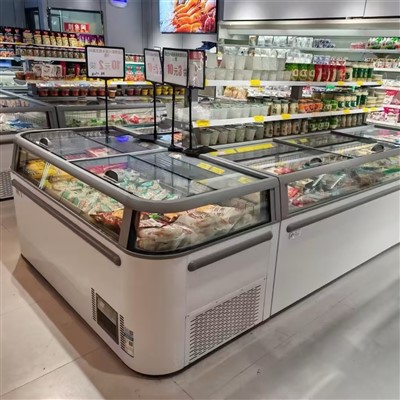
In the complex ecosystem of supermarket operations, refrigeration stands as a cornerstone for maintaining product quality and safety. As a dedicated supplier in the field of supermarket refrigeration, I’ve witnessed firsthand the transformative power of glycol in this crucial domain. Glycol, a versatile and efficient coolant, offers a multitude of advantages that make it an indispensable asset for modern supermarket refrigeration systems. Supermarket Refrigeration
Enhanced Energy Efficiency
One of the most compelling advantages of using glycol in supermarket refrigeration is its remarkable energy – saving potential. In traditional refrigeration systems, direct expansion (DX) systems often suffer from significant energy losses due to heat transfer inefficiencies. These systems rely on a refrigerant to directly cool the display cases and storage areas, which can lead to rapid heat gain in the refrigerant lines as they pass through warmer areas of the supermarket.
Glycol – based refrigeration systems, on the other hand, operate on a secondary loop principle. The primary refrigeration system cools a glycol – water mixture, which is then circulated through the secondary loops to the display cases and storage units. This setup reduces the amount of refrigerant that needs to be circulated throughout the supermarket, minimizing heat gain in the refrigerant lines. As a result, glycol systems can operate at lower compressor loads, leading to substantial energy savings.
For example, a study by the North American Sustainable Refrigeration Council (NASRC) found that supermarkets using glycol – based secondary loop systems can achieve energy savings of up to 15% compared to traditional DX systems. These savings not only translate into lower electricity bills for supermarket operators but also contribute to a more sustainable and environmentally friendly operation.
Improved Temperature Control
Consistent temperature control is paramount in supermarket refrigeration to ensure the freshness and safety of perishable products. Glycol’s unique thermal properties make it an ideal medium for achieving precise temperature regulation.
Glycol has a high specific heat capacity, which means it can absorb and release a large amount of heat without undergoing significant temperature changes. This characteristic allows glycol – based refrigeration systems to maintain a more stable temperature in the display cases and storage areas. In contrast, traditional refrigeration systems may experience temperature fluctuations due to variations in the ambient temperature and the load on the compressor.
In addition, glycol’s low viscosity at low temperatures ensures smooth circulation through the secondary loops. This efficient fluid flow helps to distribute the cooling evenly, preventing hot spots and cold spots in the refrigerated areas. Our experience has shown that supermarkets using glycol – refrigeration systems can maintain temperature variations within a narrow range, typically within ±1°C, which is crucial for preserving the quality of sensitive products such as dairy, meat, and seafood.
Reduced Refrigerant Leakage Risks
Refrigerant leakage is a major concern in the supermarket industry, not only because it can lead to increased energy consumption and system inefficiencies but also due to the environmental impact of many commonly used refrigerants. Many traditional refrigerants, such as hydrofluorocarbons (HFCs), have a high global warming potential (GWP).
By using glycol as a secondary coolant, the amount of refrigerant required in a supermarket refrigeration system can be significantly reduced. In a glycol – based secondary loop system, the refrigerant is contained within the primary refrigeration unit, which is usually located in a dedicated mechanical room. This isolation reduces the risk of refrigerant leaks in the sales area and storage areas, where customers and employees are present.
Furthermore, in the event of a refrigerant leak in the primary system, the secondary loop of glycol acts as a buffer, preventing the refrigerant from directly entering the supermarket environment. This added safety feature not only protects the environment but also reduces the potential health risks associated with refrigerant exposure.
Corrosion Resistance
The refrigeration infrastructure in supermarkets is constantly exposed to a variety of harsh conditions, including humidity, temperature variations, and exposure to different chemicals. These conditions can lead to corrosion of the pipes and components in the refrigeration system, which can compromise the system’s performance and longevity.
Glycol has excellent corrosion – resistant properties, especially when used in a properly formulated glycol – water mixture. The addition of corrosion inhibitors to the glycol solution creates a protective layer on the inner surface of the pipes, preventing the formation of rust and other corrosive products. This corrosion resistance extends the lifespan of the refrigeration system, reducing the need for frequent repairs and replacements.
We have seen numerous cases where supermarkets that switched to glycol – based refrigeration systems experienced a significant reduction in maintenance costs associated with corrosion – related issues. This long – term cost savings is an important consideration for supermarket operators looking to optimize their refrigeration expenses.
Compatibility with Different Refrigeration Equipment
Glycol is highly compatible with a wide range of refrigeration equipment commonly used in supermarkets. Whether it’s open – front display cases, walk – in coolers, or freezer units, glycol can be easily integrated into existing or new refrigeration systems.
This compatibility allows supermarket operators the flexibility to upgrade or modify their refrigeration systems without having to completely overhaul the entire setup. For example, if a supermarket wants to add more display cases or expand its freezer storage area, it can simply extend the secondary loop of the glycol system to accommodate the new equipment.
In addition, glycol – based refrigeration systems can work in conjunction with different types of primary refrigeration units, such as compressors and condensers. This adaptability makes it easier for supermarkets to select the most suitable primary refrigeration technology based on their specific needs and budget.
Noise Reduction
Noise pollution can be a significant issue in supermarkets, especially in areas where the refrigeration equipment is located close to the sales floor or customer seating areas. Traditional refrigeration systems, particularly those with large compressors and fans, can generate a substantial amount of noise that can be distracting for customers and employees.
Glycol – based refrigeration systems can help to reduce noise levels in supermarkets. Since the primary refrigeration unit can be located in a separate mechanical room, the noise generated by the compressors and other components is isolated from the main sales area. The secondary loop of glycol, which circulates through the display cases and storage units, operates relatively quietly compared to the direct expansion systems with refrigerant flow noise.
Quieter refrigeration systems create a more pleasant shopping environment for customers and a less stressful workspace for employees. This can have a positive impact on customer satisfaction and employee productivity.
Conclusion
As a supermarket refrigeration supplier, I have seen the numerous benefits that glycol brings to the table. From energy efficiency and improved temperature control to reduced environmental risks and noise reduction, glycol – based refrigeration systems offer a comprehensive solution for modern supermarket refrigeration needs.
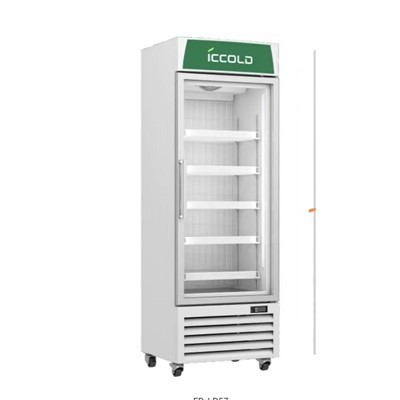
Refrigerated Display Case If you are a supermarket operator looking to upgrade your refrigeration system, enhance energy efficiency, and ensure the quality of your perishable products, I encourage you to consider glycol as a coolant. Our team of experts is ready to assist you in evaluating your current refrigeration setup and designing a customized glycol – based system that meets your specific requirements. Contact us today to start the conversation and explore how glycol can revolutionize your supermarket refrigeration.
References
- North American Sustainable Refrigeration Council (NASRC). "Energy Savings in Supermarkets Using Secondary Loop Systems."
- Johnson, J. "Corrosion Resistance of Glycol in Refrigeration Systems." Journal of Refrigeration Technology, 2018.
- Smith, A. "Temperature Control in Supermarket Refrigeration: The Role of Glycol." International Journal of Food Preservation, 2020.
Jinhua Kate Refrigeration Equipment Co., Ltd.
We are one of the most professional supermarket refrigeration manufacturers in China, also support customized service with low price. Please rest assured to wholesale bulk high quality supermarket refrigeration for sale here from our factory. If you have any enquiry about quotation, please feel free to email us.
Address: Room 101, No. 21, Southwest Sixth Road, Xin’an Village, Xin’an Community, Duohu Subdistrict, Jindong District, Jinhua City, Zhejiang Province
E-mail: 2528940364@qq.com
WebSite: https://www.katekool.com/
