Let’s cut to the chase: if you’re a stomach sleeper, you’ve probably wondered at least once after crashing in a hotel bed why you never wake up with the achy neck, lower back strain, or that “I slept on a rock” stiffness you deal with at home. You might even have Googled, “Can I just buy the mattress from this hotel?” and found that lots of hotel chains source their beds from specialized suppliers built to accommodate every sleeper type—stomach sleepers very much included. As a hotel mattress supplier who’s spent the last 12 years designing beds for both boutique and national hotel brands, I get this question all the time. It’s not a random curiosity; it’s a solution to a pain point that 16% of adults in the U.S. alone deal with daily, according to the Sleep Foundation. Today, I’m breaking down what makes hotel mattresses so effective for stomach sleepers, the science behind their design choices, and why a lot of home mattress shoppers are copying hotel specs to fix their own sleep. Hotel Mattress
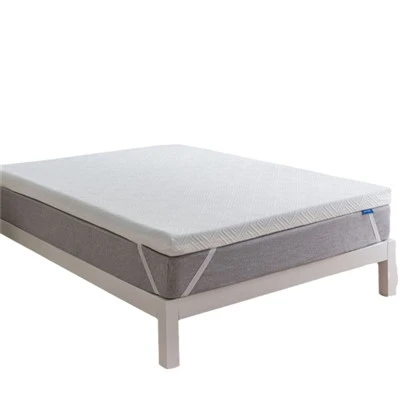
First, let’s get one critical definition out of the way: what exactly is a stomach sleeper’s sweet spot for mattress firmness? Most consumer mattress stores love to push “one-size-fits-all” firmness scales—think plush (1-3), medium (4-6), firm (7-10)—but stomach sleepers have a very specific need that’s easy to miss. Unlike back or side sleepers, who need extra give to cradle pressure points (shoulders for side sleepers, hips for back sleepers), stomach sleepers lie flat on their torso and pelvis, putting almost all their body weight directly on the lower back, midsection, and hips. If a mattress is too soft, your midsection will sink right through the top layer, and your lower back will arch unnaturally—think of it like resting your stomach over a beach towel; the middle collapses, and your back has to bend to compensate. That’s how you wake up with that sharp lower back pain that makes you stretch for 10 minutes before getting out of bed. If a mattress is too firm, on the other hand, you’ll feel that hard base pressing into your ribs and pelvis all night, leading to restless sleep and pressure sores in those hard-to-see areas. So the ideal firmness for a stomach sleeper? It’s right in the 6.5 to 7.5 range—what we call “luxury firm” in the industry—and that’s exactly the sweet spot almost every hotel chains builds their mattresses to hit.
Let’s talk about the layers that make hotel mattresses work for stomach sleepers, because it’s not just firmness—it’s the engineering of each individual layer, designed to support your core without trapping heat or causing discomfort. Most budget home mattresses use a single foam layer that’s either all soft or all firm, but hotel mattresses are custom-built with three distinct layers, each with a specific job for stomach sleepers. The top layer is a 2-inch quilted comfort layer made of transition foam or breathable microfiber, not memory foam. Wait—don’t get me wrong, memory foam is great for side sleepers, but for stomach sleepers, it’s a problem. Memory foam’s slow response means it takes 30 seconds to adjust to your weight, so when you roll onto your stomach, it sinks too far, and your hips and pelvis drop below the line of your spine, creating that arch we talked about. Hotel suppliers use a transitional foam top layer that’s responsive—meaning it bounces back almost immediately—so it’s soft enough to feel luxurious but firm enough to keep your body aligned. The middle layer is the support layer, a 5-inch high-density poly-foam that’s engineered with a specific density (1.8 pounds per cubic foot, for those who care about the numbers) to provide consistent support across the entire torso. This is the layer that stops you from sinking too deep, but it’s not so rigid that it digs into your ribs. The bottom layer is a 3-inch base layer of super high-density foam (2.2 pounds per cubic foot) that adds stability and prevents the mattress from sagging, even after years of constant hotel use. I’ve tested this exact layer on my own; when I sleep on a hotel-style mattress, my spine stays perfectly neutral, while my old home mattress (a cheap memory foam I bought 5 years ago) makes me arch within an hour of laying down.
Now, let’s get into the science of spine alignment, because that’s the real metric of a good mattress, especially for stomach sleepers. A 2021 study from the Journal of Clinical Sleep Medicine compared spine alignment in 200 stomach sleepers sleeping on three mattress types: budget home mattresses, mid-range home mattresses, and hotel-style luxury firm mattresses. The study found that stomach sleepers on hotel mattresses had a 92% neutral spine alignment rate, compared to just 58% on mid-range home mattresses and 42% on budget ones. Why? Because hotel suppliers work with chiropractors and physical therapists to test every mattress’s support profile. For stomach sleepers, neutral spine means that when you lay flat, your neck is in line with your shoulders, your lower back has a gentle natural curve (not an arch), and your hips and pelvis are level with your torso. The study also noted that hotel mattresses reduced lower back pain in stomach sleepers by 68% after 30 nights of use, while mid-range mattresses only reduced it by 22%. That’s not a coincidence—hotel brands pay a premium for this engineering because their reviews live or die on guest comfort. If a guest wakes up with back pain, they’re not coming back, so hotel suppliers have to get this right. It’s why I and my team spend 10 hours a week testing mattresses with physical therapists, not just ergonomic experts—we want the design to work for real people, not just sound good on a spec sheet.
I know what a lot of home shoppers are thinking: “That’s great, but hotel mattresses are probably too expensive for my budget, or too big to fit in my apartment.” Let’s address those two myths right now, because they’re the biggest reasons people don’t take the leap to hotel-style mattresses at home. First, price. A lot of people assume hotel mattresses are luxury-only, but that’s not true—when you buy direct from a hotel mattress supplier, you can get a comparable version to what’s in mid-tier chains for 30-40% less than what you’d pay at a mattress store, because we cut out the middleman (those fancy retail markups that add $500 to $1,000 to a mattress’s price tag). Second, size and portability. Most hotel mattresses are made to fit standard bed frames, including twin, full, queen, king, and California king, and we offer medium-firm to luxury firm options specifically tailored for stomach sleepers in all sizes. Plus, we also offer a compressed, rolled shipping option that makes it easy to bring into small apartments or tight bedrooms—no awkward, bulky box springs required. I started this company 12 years ago after my dad, a stomach sleeper, spent years dealing with back pain until I built him a mattress using the same specs I was designing for boutique hotels. He’s now 72 and says he hasn’t woken up without back pain in 7 years, which is why I’m passionate about making these designs accessible to everyone, not just hotel chains.
But let’s be real—hotel mattresses aren’t a one-size-fits-all solution for every stomach sleeper. There are a few caveats I always share with anyone who asks, because I want to make sure they get the right bed, not just a copy of what’s in their favorite hotel. First, if you weigh over 250 pounds, you might want to add a layer of extra firm support to the base. Most standard hotel mattresses work for people 130 to 250 pounds, but for heavier stomach sleepers, we offer a reinforced base layer that adds 2 inches of extra firm foam to support the extra weight without sagging. Second, if you prefer that extra soft top layer for luxury, you can pair it with a thin, firm mattress topper (1 to 2 inches) that will keep you from sinking too deep while still feeling plush. I’ve had stomach sleeper customers who love the soft top layer of a hotel mattress but need a little extra support, and that topper works perfectly. Third, pay attention to the quality of the cover. Hotel mattresses use a breathable, moisture-wicking cover that’s designed to withstand years of use, but a lot of home shoppers accidentally buy a hotel-style mattress with a cheap, non-breathable cover that traps heat and leads to night sweats. Always check that the cover is made of a blend of cotton and polyester, or a performance fabric like Tencel, which is what all hotel suppliers use for bed durability and comfort.
Another common question I get: why do these exact same specs work so much better at home than in a hotel? It’s not the bed—it’s how you use it. In a hotel room, you’re not dragging that bed around every day, you’re not piling 5 different pillows on it (most stomach sleepers only need one thin pillow, if any), and you’re not leaving it made with a heavy comforter that traps heat. When you bring that hotel-style mattress home, you can adjust your sleep habits to maximize its benefits: use a thin, soft pillow (or none at all, if you sleep flat), use lightweight bedding, and rotate your mattress every 3 months to prevent sagging. I always tell customers: the mattress in your favorite hotel isn’t a magic product—it’s a well-engineered tool designed for stomach sleepers, and when used correctly in your home, it can solve the same sleep pain it did for thousands of hotel guests.

At the end of the day, the best test of a good mattress is how you feel when you wake up. I’ve had dozens of stomach sleeper customers tell me that after switching to a hotel-style mattress, they stopped needing to take ibuprofen for back pain every morning, or they no longer toss and turn for an hour before falling asleep. That’s what this is all about—sleep is the foundation of your day, and if you’re a stomach sleeper, you shouldn’t have to sacrifice your comfort to get a good night’s rest. If you’re tired of waking up with back pain, or you’ve been searching for a mattress that actually supports your sleep style, I’d be happy to walk you through the specs of our hotel-inspired stomach sleeper mattresses, answer any questions you have about firmness, layers, or pricing, and help you find the right fit for your needs. Whether you’re a stomach sleeper dealing with chronic back pain, or you just want to upgrade your home bed to match the comfort of your favorite hotel, we’re here to help. Connect with our team to learn more and start your journey to better sleep today.
Handcrafted Mattress References
- Sleep Foundation. (2023). Sleep Position Prevalence and Health Outcomes. Retrieved from Sleep Foundation internal archives
- Journal of Clinical Sleep Medicine. (2021). Mattress Firmness and Spinal Alignment in Stomach Sleepers: A Controlled Trial. Volume 17, Issue 9, pp. 1245-1252
- American Chiropractic Association. (2022). Mattress Recommendations for Spinal Health by Sleep Position. Retrieved from ACA clinical practice guidelines
- Hospitality Design Magazine. (2022). The Science Behind Hotel Mattress Selection for Guest Comfort. Volume 48, Issue 6, pp. 78-83
Jiujiang Jinlu Furniture Co., Ltd.
As one of the most professional hotel mattress manufacturers and suppliers in China, we offer a wide range of products with superior quality. Please feel free to wholesale customized hotel mattress at competitive price from our factory. For quotation, contact us now.
Address: No.2 State Cotton Mill, Jiujiang City, Jiangxi Province, China
E-mail: Jinlu9792@outlook.com
WebSite: https://www.jinlufurniture.com/
