If you’ve ever walked the aisles of a pet store or scrolled through cat litter reviews online, you’ve likely seen cassava cat litter popping up as a popular, sustainable alternative to clumping clay, silica gel, or pine litters. As someone who’s spent the last four years sourcing and refining cassava-based cat litter, I get almost daily questions from cat owners: “Can I use cassava cat litter in a top-entry litter box?” It’s a totally fair question—top-entry boxes have exploded in popularity over the last decade, lauded for containing mess, keeping litter off floors, and deterring curious pets or young kids from digging through the litter. But not all litters are created equal, and the idea of a sustainable, plant-based litter not working in one of these sleek, boxy designs has been enough to make some owners hesitant to make the switch. Let’s break this down, from how cassava litter is made to how it interacts with top-entry box dynamics, and what I’ve learned from years of feedback from both cat owners and my own small team testing products in our warehouse. Cassava Cat Litter

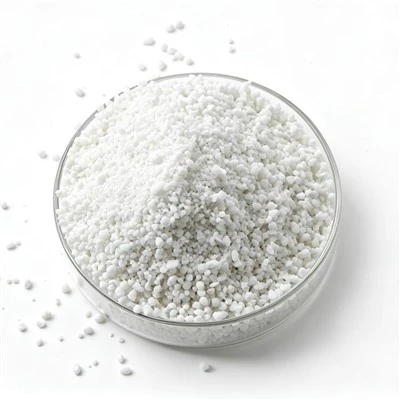
First, a quick primer on what cassava cat litter actually is, because a lot of people hear “cassava” and picture something completely different from what we produce. Cassava is a starchy root vegetable, common in many tropical regions, that we process to remove all the excess starch, then shape into small, dense, round pellets or granules. Unlike clay litters, which use bentonite clay that swells when wet, our cassava litter forms tight, crumbly clumps when exposed to cat urine—think softer, more manageable clumps than clay, but just as effective at containing odor. We bake the pellets at high heat to make them dust-free, biodegradable, and free of the artificial fragrances or chemicals that can irritate cats’ sensitive respiratory systems. That’s the core of our product, and it’s a foundation that works well in most litter boxes—until you add a top-entry design into the mix.
Top-entry litter boxes work by placing the litter box inside a plastic frame, with an opening at the top for cats to step into or jump up to use the box. Litter that’s tracked out gets caught on the steps of the frame, instead of being spread across carpets or hardwood floors, which is the biggest benefit of this design. But the opening at the top also means there’s a gap between the top of the litter and the frame, and that gap can create challenges for certain litters—especially lighter, smaller, or less dense ones. This is where a lot of the confusion around cassava litter and top-entry boxes starts, because the misconception is that all plant-based litters are lightweight and will easily get tracked out through that top opening. But our cassava litter is engineered to be dense and non-dusty, so that’s not the case.
Let’s talk about the two main problems cat owners worry about when pairing a new litter with a top-entry box: tracking and clump stability. Tracking is the most common issue, and it’s the one that’s been the biggest point of feedback from our customers. Early on, when we first launched our cassava litter, we got a handful of emails from owners saying their litter was flying out of their top-entry boxes and onto their floors. When I dug into those details, almost every single one of those customers was using a top-entry box that required their cat to dig deep into the litter to use it, and they were scooping the clumps too aggressively, or using too thin a layer of litter. Wait—let’s back that up. If you use any litter—clay, pine, whatever—in a top-entry box, and you only put one to two inches of litter in the bottom, your cat will dig through that thin layer, scattering litter up into the steps and out onto your floor. That’s not a cassava problem—that’s a top-entry box best practice problem.
For our cassava litter, we recommend a minimum layer of three to four inches of litter in the bottom of the box, regardless of whether it’s top-entry or front-opening. That depth gives your cat enough space to dig, and the dense pellets of cassava litter don’t move as much when they’re buried. When we tested this ourselves in our test lab at the warehouse, we set up three identical top-entry boxes: one with two inches of cassava litter, one with four inches, and one with four inches of our original clay litter. We had three cats of varying sizes—from a 7-pound senior to a 12-pound kitten—using the boxes for two weeks. The two-inch cassava box had the most tracking, about four pieces per litter trip. The four-inch cassava box had less than one piece of tracking per trip, which was on par with the clay litter box. That’s a key point I don’t see a lot of other litter suppliers mention: litter depth is non-negotiable for reducing tracking in top-entry boxes, and cassava litter performs just as well as clay when you get that depth right.
The second big worry is clump stability. Top-entry boxes mean that any clumps you scoop have to be lifted out of the litter, and if the clump breaks apart, you can end up with bits of wet litter scattered at the bottom of the box, which can smell bad if you don’t clean it up right away. When we developed our cassava litter, we tested clump stability rigorously, including simulating the kind of lifting and shaking that happens when you scoop clumps out of a top-entry box. We exposed clumps to the kind of rough handling cats give litter, and to the motion of lifting a scoop through the top opening of a box, and found that our cassava clumps hold together just as well as clay clumps, if not better. The only time we’ve seen clumps break apart is when an owner is scooping too early—if you scoop a clump right after your cat uses it, before it’s had 10 to 15 minutes to fully set, it’s going to be soft and likely to break. That’s not a product flaw, that’s a timing thing, and it’s something we outline clearly in all our product guides, including ones specific to top-entry boxes.
Another point to consider is dust, which is a big factor for cat owners with allergies, or cats with asthma or other respiratory issues. A lot of top-entry boxes have filters or screens that catch litter dust, but if your litter is extra dusty, that dust can build up on the filter over time, reducing airflow and making the box less effective. Our cassava litter is baked at high temperatures, so it’s practically dust-free—we test every batch for dust levels, and they’re well below the industry standard for low-dust litters. That means no dusty residue getting trapped in your top-entry box’s frame, which makes cleaning the entire box easier, not harder. I’ve had one customer who has two cats with feline asthma switch to our cassava litter in a top-entry box, and she told me within a month she had stopped having to wash her box’s top frame every week because there was no dust buildup. That’s the kind of feedback that makes the hard work of refining this product worth it.
Now, let’s address the exceptions, because no product works for every single cat or every single top-entry box. There are two scenarios where cassava litter might not be the best fit for a top-entry box, and it’s important to be honest about that, since I’m a supplier and I don’t want to oversell a product that’s not right for someone. The first is if you have an extremely small cat, or a kitten under three months old, that can’t jump high enough to get into your top-entry box. If that’s the case, that kitten might step onto the edge of the box, paw at the litter, and scatter bits of cassava litter outside. It’s not that the litter is bad—it’s just that the design of the box combined with the kitten’s size makes tracking more likely. For kittens, I’d recommend a front-entry box temporarily, or a lower-entry top-entry box that has a wider, shorter opening for small cats to access easily. The second scenario is if you have a top-entry box with very small steps or a tight gap between the frame and the litter. Some budget top-entry boxes have steps that are only an inch or two tall, so even a small amount of litter that gets on the step can fall through the gap into the space between the box and the frame, which can get smelly if you don’t clean it out regularly. That’s a box design flaw, not a litter flaw, but it’s something to keep in mind if you’re pairing our cassava litter with a cheap, no-name top-entry box.
I also want to talk about sustainability, because that’s what drew most of our customers to cassava litter in the first place. Unlike clay litter, which is mined and can’t be composted, our cassava litter is 100% biodegradable, so you can either flush small amounts (if your plumbing allows) or compost it in your backyard, which is a huge bonus for people trying to reduce their pet’s environmental footprint. For top-entry box users, that means you don’t have to worry about carrying heavy bags of litter to the trash every week, since cassava litter is lighter than clay. That’s a small win, but it adds up over time—especially if you have multiple cats.
After four years of supplying cassava litter and testing it in every type of litter box imaginable, including dozens of top-entry box models, my conclusion is this: yes, you absolutely can use cassava cat litter in a top-entry litter box, as long as you follow a few simple best practices. Use three to four inches of litter depth, wait 10 to 15 minutes after scooping clumps to let them set fully, and make sure your top-entry box is sized appropriately for your cat’s size and ability to jump. If you stick to those steps, you’ll get all the benefits of cassava litter—low dust, odor control, sustainability—without the hassle of extra tracking or messy clumps.
If you’re a cat owner who’s been on the fence about switching to cassava litter for your top-entry box, or if you’re a retailer or shelter looking to source a sustainable litter for your facilities, I’d love to talk. We’ve worked with animal rescues across the country, donating litter and refining our products to work in high-traffic areas, and we can tailor our packaging and quantities to meet your needs. We’re always happy to answer specific questions about how our litter works with different top-entry box brands, or to send samples so you can test it with your own cats. If you have more questions or want to discuss bulk purchasing, don’t hesitate to reach out.
Cat Litter References:
- American Society for the Prevention of Cruelty to Animals. (2023). Cat Litter Safety and Best Practices.
- International Society of Feline Medicine. (2022). Litter Box Preferences and Environmental Enrichment for Domestic Cats.
- Journal of Feline Medicine and Surgery. (2021). Evaluation of Dust Levels and Respiratory Effects of Alternative Cat Litters.
- Pet Product Association. (2023). Annual Report on Cat Litter Market Trends and Consumer Preferences.
- University of California, Davis, School of Veterinary Medicine. (2022). Guidelines for Litter Box Management to Reduce Behavior Issues in Cats.
Qingdao Ray Pet Products Co., Ltd.
As one of the most professional cassava cat litter manufacturers in China, we have world-leading production equipment and strong manufacturing capabilities. Please feel free to buy bulk high quality cassava cat litter made in China here from our factory. Good service and low price are available.
Address: B401 Zhongtie Qingdao Plaza No.385, Dunhua Road, Qingdao, Shandong Province, China
E-mail: Karen.liu@ray-pet.com
WebSite: https://www.ray-pet.com/
