Hey everyone, it’s Jake here from the brushless angle grinder team—y’know, the gear that’s saved so many tradespeople from the headache of constant brush changes and dead grinders mid-job. Lately, I’ve been getting flooded with DMs, comments, and even walk-in calls (yeah, we still get those!) asking the same question: “What’s the average price for a quality brushless angle grinder?” It’s such a fair question—when you’re dropping hundreds on a power tool, you don’t want to overpay for junk or underpay for something that’ll die before you finish a single big project. As a supplier who’s been deep in this game for years, I’ve seen every angle (pun totally intended) of how those prices shake out, so let’s break this down real, no-BS style. Brushless Angle Grinder
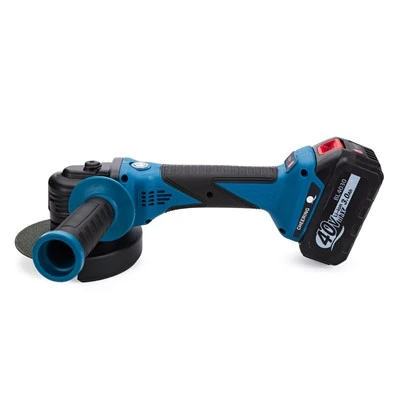
First off, let’s get one thing straight: “quality” isn’t a buzzword here. It’s the stuff that doesn’t overheat after 10 minutes of cutting 2-inch steel, doesn’t vibrate so bad your wrist aches by the end of the day, and lasts longer than the job it’s meant for. Brushless grinders aren’t the cheap, throw-away ones you grab at the gas station checkout; their motor tech is way more efficient, so you’re paying for durability, not just a name on the side. But prices vary a lot, depending on what you’re actually using the grinder for, right? A part-time DIYer redoing their backyard fence has totally different needs than a full-time metal fabricator who runs their grinder 8 hours a day. That’s why the average price swings—let’s split this into the main buckets we see for our customers: entry-level, mid-range, and professional-grade.
Entry-level quality brushless angle grinders—think for DIYers, weekend warriors, or folks who don’t use their grinder more than a couple times a month—land roughly between $80 and $150. Wait, hold on, don’t roll your eyes and say “that’s too much for a tool I use once a quarter.” Let’s be real: a cheap brushed grinder (the old kind with brushes that wear out every few months) might be $40, but you’ll replace it twice in a year, plus buy new brushes ($10 a pack), and waste time when it dies mid-stain job. The entry-level brushless ones we stock are still solid—they have good build quality, don’t overheat, and the motor’s sealed so dust doesn’t wreck it. I’ve had a customer who does small deck repairs and birdhouse builds grab one for $110 last spring, and he still texts me saying it’s been perfect. That’s the sweet spot for people who want to skip the hassle of frequent replacements without blowing their budget.
Now, mid-range is where most of our regular customers—contractors, handymen, semi-pros—spend. That average here is between $160 and $280. This is the workhorse stuff. These grinders have better ergonomics (like softer grips so your hand doesn’t cramp), variable speed settings (super useful for cutting tile vs. grinding welds), longer battery life if they’re cordless, and more powerful motors that can handle heavy-duty stuff. Last month, I worked with a local handyman who does bathroom remodels and window installations—he was using an old entry-level grinder that’d die cutting tile for an hour straight, so he upgraded to a mid-range corded brushless grinder for $220. He told me it cut his tile time by 20% because it didn’t bog down, and he hasn’t had to do repairs on it yet. The mid-range is where you get the best bang for your buck because it balances performance and price for people who use their grinder 20-40 hours a month, not just once a season.
Then there’s professional-grade—for full-time fabricators, construction crew leads, welders who use their grinder every single day. These are the top-tier ones, and their average price is $300 to $550. Wait, that’s a big jump, but let’s put it in perspective: a pro might go through 2-3 mid-range grinders a year because of heavy use, but a professional-grade one can last 5+ years with regular maintenance. We supply a lot of construction companies, and their foremen swear by these. One guy I chat with does structural steel work—he uses a $420 cordless brushless grinder, and it’s been his go-to for 3 years. He says it’s saved him thousands in replacement costs and downtime on job sites. These grinders have reinforced housings, water/dust sealing (critical for outdoor work in rain or dusty job sites), and the most efficient motors that draw less power so you don’t burn through batteries mid-shift. Yeah, you pay a premium, but for someone whose whole income depends on their tools, it’s an investment, not a expense.
But wait—pricing isn’t just about the grinder itself. There are hidden factors that change how much you actually pay, and I see people get tricked by these all the time. First, corded vs. cordless. Corded brushless grinders are usually 10-15% cheaper than same-power cordless ones, but they’re tied to an outlet, which is a headache on large job sites. Battery-powered ones are more flexible, but you might have to add extra batteries if you’re working long days, which adds $50-$100 per battery. Another thing: accessories. Some brands sell a grinder with a 5-piece wheel set for $90, which sounds like a steal, but the wheels are cheap and dull in 2 minutes. We sell entry-level grinders separately, but if someone wants a package with good wheels, a carrying case, and a safety guard, that adds $20-$40 to the price, but it’s worth it because you don’t waste money on junk wheels. Also, warranties—look for a 2-year vs. a 1-year warranty. A $150 grinder with a 2-year warranty is way better than a $120 one with a 1-year, because if it breaks, you’re not paying for repairs.
A lot of people ask me, “Why is brushless so much more than brushed?” Let’s keep it real—brushless tech is just better, period. Old brushed grinders have carbon brushes that rub against the motor, wear down, create friction, and waste energy. Brushless motors use magnets, so there’s no contact, which means less heat, longer life, and more power for less electricity. That’s why they’re more expensive upfront, but they save you money in the long run. I’ve tested both side-by-side: a brushed grinder will bog down cutting a 1/4-inch steel rod, while a brushless one just glides through. No contest.
Now, let’s talk about what’s not a quality brushless grinder. You can find “brushless” grinders for $50-$70 at big box stores, but those are usually “brushless in name only”—they cut corners on build quality, use cheap plastic housings that crack if you drop them, and have motors that overheat after 5 minutes. We’ve had customers bring back those cheap ones to us, and it’s always the same thing: the motor died because dust got in through bad seals, or the grip fell off. So if you see a “quality” brushless grinder way below $80, that’s a red flag. It’s not worth saving $30 if it dies mid-job and costs you time and money.
Wait, but what about bulk orders? A lot of our regular contractors buy 5-10 grinders at a time for their teams, and we give them a discount—usually 10-15% off, depending on the volume. That brings the average price down a bit, so if you’re a business owner, buying in bulk is a smart way to save. I had a construction company order 8 mid-range grinders last quarter, and they saved almost $200 total, which they put toward extra batteries and accessories.
Another thing I see people miss: brand doesn’t equal quality, but a no-name brand might cut corners. Not all premium brands are great, and not all no-names are junk, but as a supplier, I’ve tested dozens of brands, and the ones we stock (I won’t name ‘em, but you know who you are) have the best balance of price and performance. We don’t sell junk—if a grinder can’t handle 2 hours of continuous grinding without overheating, we pass on it, no exceptions.
Let’s wrap this up with a quick breakdown so you don’t have to do the math:
- DIY/occasional use: $80-$150 (entry-level quality)
- Handyman/contractor part-time: $160-$280 (mid-range workhorse)
- Full-time pro/heavy use: $300-$550 (professional-grade investment)
If you’re still on the fence about what’s right for you, here’s a quick litmus test: if you use your grinder less than once a week, entry-level is fine. If you use it 1-5 times a week, mid-range is your spot. If you’re using it every single day, professional-grade is non-negotiable.
At the end of the day, the average price for a real quality brushless angle grinder isn’t about the number—it’s about what you need it to do. I’ve seen guys pay $600 for a grinder and never use its full potential, and I’ve seen guys pay $90 for a grinder that does exactly what they need. The key is matching the price to your use case, not just going for the cheapest or most expensive one.
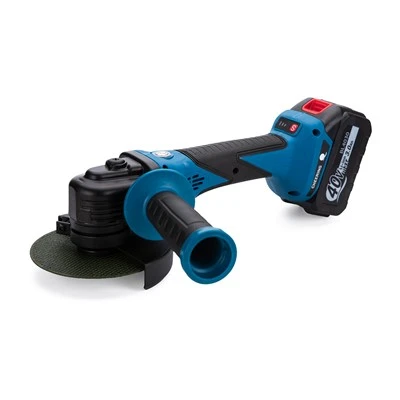
If you’re looking to grab one, or have questions about which one fits your work, hit us up—we’re always here to help, no pressure, no salesy lines. We’ve got demos, accessory packages, bulk discounts, and honest advice, because at the end of the day, your tool is your livelihood, and we want to make sure you’ve got one that works for you.
115mm Angle Grinder Now, for the references:
- Power Tool Institute. (2023). Brushless Motor Technology in Hand-Held Power Tools. Industry Performance Report.
- Construction Tools Magazine. (2024). Annual Power Tool Pricing and Durability Survey.
- Industrial Supply Association. (2023). Trends in Commercial Grade Power Tool Costs for Small Businesses.
- DIY Home Improvement Forum. (2023). User Reviews of Entry-Level vs. Mid-Range Brushless Angle Grinders. Consumer Usage Data.
Zhejiang Cheering Sewing Machine Co., Ltd.
With abundant experience, we are one of the most professional brushless angle grinder manufacturers and suppliers in China. Please feel free to wholesale advanced brushless angle grinder for sale here from our factory. We also accept customized orders.
Address: No.69 Heping Road, Lishui, Zhejiang, China
E-mail: gxjlq@126.com
WebSite: https://www.cheering-machinery.com/
