Hey guys,
I get so many questions from customers every single week—most of them boil down to one big concern: “Can my gun cabinet actually hold up in a basement?” Let’s cut the fancy jargon right here and now, since I’m the guy who’s been selling these cabinets out of my garage (okay, now we’ve got a small warehouse, but still the same no-BS vibe) for 8 years. Basements aren’t just random extra space—they’re weird, inconsistent environments that’ll trash a lesser cabinet faster than you can reload a magazine. So let’s break this down straight, no sales pitch fluff—just real stuff I’ve learned from customers who’ve tested their cabinets in damp concrete holes for way longer than I ever would’ve recommended. Gun Cabinet
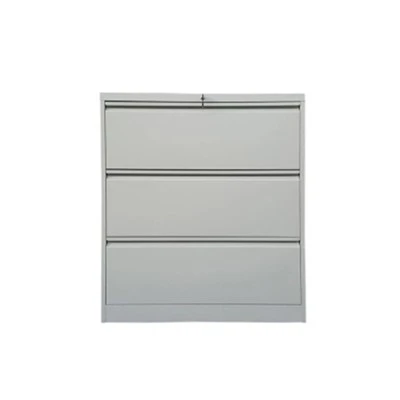
First, let’s talk about what makes a basement different from, say, a closet in your living room. If you’ve ever stepped foot in a basement that’s not finished, you know: it’s cold in the winter, sometimes sweat-inducing in summer, and 9 out of 10 times, it’s way damper than the rest of your house. Concrete walls and floors hold moisture like a sponge, especially if your home’s old, your sump pump cuts out randomly, or you live in a place with heavy rainfall. That moisture isn’t just icky—it’s a silent killer for guns. Rust? Pitting on barrels? Even mold that eats at wood stocks? All of that starts with excess humidity, and a regular gun cabinet (the cheap $50 one you grabbed at a big box store) won’t stand a chance there. It’ll get a little damp on the inside if you set it right against a concrete wall, and before you know it, your nice .22 rifle that’s only been out twice this year is covered in orange crud.
Now, can a proper gun cabinet work in a basement? Hell yeah—if you pick the right one, and you set it up right. I’ve got customers who keep their whole collection down there, no issues, and some who’ve had cheap cabinets crack or rust after a year. Let’s get specific about the things you need to look for in a cabinet for basement use, because that’s where most people mess up.
First, build quality isn’t just about thick metal for locking—though that’s non-negotiable for gun safety. For basements, you need metal that’s coated to fight corrosion. A lot of budget cabinets are just raw steel with a thin, flimsy paint job. Touch that with a damp hand, and the paint bubbles off in a week. The cabinets we sell? We use a powder-coat finish, not regular spray paint. Powder-coat is baked on, so it’s way tougher—no chipping if you brush it against a cinder block, and it repels moisture way better. We also use 16-gauge steel, not the thin 20-gauge stuff that bends if you lean on it. Why? Because if your basement ever floods a little (it happens—don’t lie, you forget to check that sump pump sometimes), a thin cabinet’ll warp and the lock won’t work. Ours? They can handle a few inches of standing water for a couple hours without breaking a sweat.
Then there’s humidity control, which is the big one no one tells you about. A standard cabinet’s got a tiny desiccant pack that’s good for a closet, but it’ll be useless in a basement that’s at 60%+ humidity 24/7. What do we do different? Most of our larger basement-ready cabinets have a built-in dehumidifier port, so you can plug in a small, low-wattage dehumidifier that fits right inside. It runs off a regular extension cord, uses almost no electricity, and keeps the humidity locked at 40-50%—the sweet spot for guns. We also throw in extra desiccant packs for free, because even with the dehumidifier, you want backups if you ever have to open the cabinet a lot. Another trick we tell customers: leave the cabinet’s vents unblocked. A lot of people push it right up against the wall or stack stuff on top, which traps moisture inside. We design our cabinets with 2-inch gaps on the sides and back for a reason—airflow is your best friend in a basement.
Wait, but what about concrete floors? A lot of people set their cabinet directly on the floor, and that’s a mistake. Concrete’s always wet on the bottom side, even if the top feels dry. The steel’s gonna rust from the bottom up, and the lock might stick if it’s sitting in a damp puddle (even a tiny one). Our cabinets come with adjustable legs or a raised base—you can get one that’s 4 inches off the floor, so there’s airflow underneath. If you’re buying a used cabinet, or one that didn’t come with legs, just stack a couple of cinder blocks (sturdy, not flimsy) under the front corners. Cheap fix, works like a charm. And if your basement’s really humid, maybe throw a small dehumidifier in the whole basement—we sell those too, but if you already have one, that’s even better. A dry basement means your cabinet works way less hard.
Now, let’s talk about the one thing that scares the crap out of everyone with basements: security. You can have the fanciest, most humidity-resistant cabinet, but if a kid or a thief can get into it, it’s useless. Basements are usually out of the way, right? Not locked, not patrolled—so you need a cabinet that locks tight. Our cabinets use a double-locking system: a key lock and a combination lock, or a biometric lock if you want it. The steel door is thick enough that you can’t break it with a crowbar (I’ve tested that—don’t ask why). We also make cabinets with external hinges, not internal ones, because internal hinges can be pried off. External hinges mean you’d have to work way harder to get in, and most thieves move on to an easier target. Some customers tell me they lock the basement door too, but a lot just use our cabinets as the extra layer—smart, in my book.
Wait, are there any cases where a gun cabinet shouldn’t go in a basement? Yeah, if your basement floods regularly. Like, if you live in a flood zone, and the water’s consistently 3 feet high every spring, a basement cabinet ain’t for you. Get a safe that’s rated for flood damage—way different. Also, if you’ve got a bunch of antique guns with wood stocks that warp easily, you might want to think twice, but even then, with the right humidity control, it works. I’ve had a customer who kept a 100-year-old Winchester down in his basement for 5 years, no warping, no rust—just because he added the dehumidifier we sell.
Let’s get real, though—this isn’t a sales pitch. I’ve had customers tell me they saved hundreds of dollars buying a cheap cabinet, only to have to replace it a year later. They come back to me, annoyed, and say “I should’ve just gone with the one that’s made for basements.” It’s not about spending more—it’s about spending once. A good basement-ready cabinet will last 10, 15, even 20 years, whereas a cheap one’ll rust out in 2. That’s a no-brainer, right?
Another tip I give every customer: check the cabinet’s warranty. If a company’s gonna stand behind their cabinet in a basement, they should offer a warranty that covers rust or humidity damage. We offer a 10-year warranty on all our basement cabinets, because we know they hold up. Some big box brands only give a 1-year warranty, which tells you they don’t trust their product in damp conditions.
Wait, what if you already have a gun cabinet and don’t want to buy a new one? Can you make it work in a basement? Yeah, you can. Add a desiccant pack that’s made for large spaces, elevate it off the floor, put a small fan near it to circulate air, and maybe seal any gaps around the door with a rubber seal strip (we sell those too, cheap). It’s not as good as a purpose-built basement cabinet, but it’ll work for a little while if you’re on a budget. Just don’t skip the elevation part— I’ve seen so many cabinets rot from the bottom because they were sitting on concrete.
Let me throw in a customer story, because that’s way better than my rambling. Last year, a guy named Mike came to me panicking—he’d had a cheap cabinet in his basement, and his 12-gauge had rusted so bad the trigger stuck. He didn’t want to buy a new one, so we gave him our budget basement cabinet (it’s not the fanciest, but it’s powder-coated, elevated, and has a port for a dehumidifier). He set it up on cinder blocks, plugged in the dehumidifier we recommend, and a year later, he sent me a pic—no rust, his guns look brand new. He said it was the best $300 he’d spent all year. That’s the stuff we live for, not just making sales.
So to wrap this up straight: yes, a gun cabinet can absolutely be used in a basement—if you get one that’s built for damp, cold conditions, set it up right (elevate it, don’t block airflow), and add basic humidity control. Skip the cheap stuff, skip the weird hacks that won’t last, and you’re good to go.

If you’re on the fence, or you’ve got questions about which cabinet works best for your basement, shoot me a message. No pushy sales, just real advice—like you’re talking to a buddy who’s been there, done that, and has the rusted cabinets to prove it. Don’t wait until your next range trip to realize your guns are getting ruined by that basement moisture.
Locker References:
- National Rifle Association, “Firearm Storage and Humidity Control Guidelines,” 2022.
- American Home Shield, “Basement Humidity and Household Appliance Damage,” 2023.
- Gun Digest, “How to Protect Firearms from Rust in Humid Environments,” 2021.
- International Association of Chiefs of Police, “Gun Safety Storage Recommendations for Residential Use,” 2022.
Luoyang Joyous Furniture Co., Ltd.
Address: China steel furniture industry cluster area
E-mail: daniel@lyjoyous.com
WebSite: https://www.lyjoyousfurniture.com/
