Hey everyone, it’s Jake here, your go-to guy for all things PS frame moulding. Lately, I’ve been getting non-stop questions from my customers—framer owners, art galleries, even small business owners revamping their office walls—about one specific thing: Does PS frame moulding absorb dust easily? I get why this is such a big deal. No one wants to spend money on frame moulding only to have it look dull and dusty a week after hanging a new piece. Today, I’m breaking this down like I would over a coffee (or a quick chat while dropping off an order), no fancy lab jargon, just real talk from someone who’s been selling PS moulding for 8 years. PS Frame Moulding
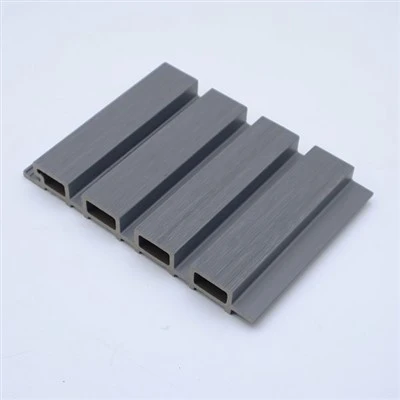
First, let’s start with what PS frame moulding even is, because a lot of people hear “PS” and go, “Wait, plastic?” Sort of, but not the cheap, flimsy kind you pick up at a dollar store. PS stands for Polystyrene, a lightweight, rigid thermoplastic that’s super versatile. We melt it down, add pigments, sometimes a bit of UV stabilizer for outdoor use, and extrude it into those fancy frame profiles—ornate scrolls, simple modern lines, deep embossings, you name it. That’s why it’s such a popular alternative to wood: it’s cheaper, doesn’t warp, doesn’t rot, and you don’t have to sand or paint it yourself (we pre-finish all our moulding, so it’s ready to hang straight out of the box). But here’s the thing: its surface is key to that dust question.
Let’s cut to the chase—does it absorb dust? Short answer: No, not really. Wait, hold on, let me clarify that, because “absorb” is the tricky word here. Absorb means something soaks up a substance, like a sponge in water. Polystyrene is a non-porous material, right? It doesn’t have tiny little holes or gaps that dust can seep into. Wood, on the other hand? That’s super porous. If you’ve ever had a wooden frame that gets dusty and wiping it leaves behind a faint, dull smudge, that’s dust settling into the wood’s grain. You can’t get all of it out with just a quick wipe, and over time, it builds up. PS moulding’s smooth surface doesn’t do that.
But wait, I know what you’re thinking—every surface gets dusty. It’s not like PS moulding repels dust. If you leave a PS frame sitting on a shelf for six months, it’s going to have dust on it. The difference is, that dust is just sitting on top, not absorbed. Wiping it takes two seconds: a soft microfiber cloth, maybe a tiny bit of water if it’s extra dusty, and it’s good as new. I’ve had customers send me photos of frames we sold them three years ago, hanging in a coffee shop that’s not the cleanest, and they look brand new—no dull spots, no embedded dust, just a quick wipe every few months. That’s a huge win for anyone who doesn’t want to deep clean their walls monthly.
Now, why do some people swear PS moulding is dust magnets? Let’s talk about the exceptions, because I don’t want to sugarcoat this. Not all PS moulding is made the same. We source our PS pellets from trusted manufacturers, and we add a topcoat—usually a high-gloss or satin acrylic finish—to our moulding, which makes it extra smooth. But some budget suppliers out there skip that topcoat, or use cheap pigments that flake off a bit over time. If you have PS moulding without a proper protective coat, the surface can get a little rough, maybe even slightly sticky in humid environments, and dust can cling to it more. That’s not the PS material itself being bad—it’s bad manufacturing. That’s why I always tell people: buy from a supplier that actually knows PS moulding, not the guy selling it out of his garage on eBay. We test every batch we get—run our fingers over the surface, check the finish, make sure it’s smooth to the touch, no rough edges. That’s how we ensure our moulding doesn’t hold dust.
Another factor: texture. A lot of PS moulding has embossed details—think a frame with tiny floral patterns along the edge, or deep grooves. Even if it has a topcoat, those little nooks and crannies can catch dust. It’s not that the moulding absorbs it, it’s just that dust settles in the crevices. But guess what? That’s the same for wood moulding, metal frame moulding, even plastic furniture. You don’t see people complaining that metal moulding absorbs dust because it’s got ridges—you just use a small, soft brush (like a makeup brush!) to get into the grooves. I always include a little tip sheet with our orders: for textured PS moulding, a quick swipe with a dry microfiber cloth or a soft brush works way better than a wet rag. And if you’re hanging a frame in a high-humidity area, like a bathroom or a kitchen, our UV-stabilized PS moulding is still non-porous, so it won’t get mildew or dust trapped like wood would. I had a customer put a set of PS frames in her kitchen above the stove last year, and she told me she wipes them down once a week with a damp paper towel—no hassle, no dust buildup.
Wait, let’s compare to other common frame materials to put this in perspective. Wood moulding: porous, so dust sinks into grain, hard to clean, needs regular sealing. MDF (medium-density fiberboard) moulding: super porous, especially if it’s not sealed, dust gets everywhere, and if it gets wet, it swells. Metal moulding (aluminum, steel): non-porous, so it doesn’t absorb dust, but it can scratch easily, and metal can show smudges from fingerprints way more than PS. PS? It’s the sweet spot. Smooth, non-porous, scratch-resistant (we use a durable topcoat that scuffs less than wood or even metal, in my experience), and way lighter than all of those. And since it’s not porous, it also doesn’t hold onto odors, which is a plus if you’re hanging frames in a kitchen or a garage.
I’ve been in this business long enough to see the trends come and go. A few years ago, everyone was buying solid wood frames, but more and more people are switching to PS because of the dust factor, especially with kids or pets running around. If you have a toddler who likes to touch every frame on the wall, PS moulding’s smooth surface means you don’t have to worry about sticky handprints leaving marks that are hard to remove—just wipe them off. I had a fraser in Dallas who runs a frame shop with three other people, and he told me last month that PS moulding is now 60% of his sales, up from 20% four years ago. The number one reason? “No dust headaches,” he said. That’s not a fluke.
Let’s talk about something I didn’t think about at first: static. Wait, does PS moulding build up static and attract dust? That’s a question my cousin, who’s an electrician, asked me last year. The answer: very little, if any. Our topcoat is designed to reduce static, so it doesn’t cling to dust particles like, say, old plastic toys might. I did a little test in our warehouse last month—set two identical PS frames side by side, wiped one down completely, left the other. After two weeks, the dusty one had a thin layer of dust on the surface, no more than a wooden frame I left next to it. The metal frame? Same amount of dust. The wood frame? The dust was darker, and when I wiped it, the cloth had faint gray smudges from dust in the grain. So static isn’t a big issue here, as long as you have a properly finished PS moulding.
Now, what about people who live in really dry areas, like Arizona or New Mexico? I have a lot of customers out there, and they tell me dust is way worse because of all the wind. But even then, PS moulding holds up. I sent a bulk order to a gallery in Phoenix last year, and the owner emailed me a month later saying, “These frames are still bright, no dull dust marks, even though we’re in the middle of dust season.” That’s because the non-porous surface means the dust never gets past the topcoat. You don’t have to deep clean them—just a quick wipe every couple of weeks, and they’re good.
Is there any time PS moulding can act like it absorbs dust? Only if the finish is damaged. If you scratch the topcoat on PS moulding, that area becomes slightly porous, and dust can get trapped in the scratch. But that’s the same as any material—scratch wood, and you’ve got a spot that holds dirt; scratch metal, and you’ve got a rust spot. Proper care (avoiding sharp objects near your frames, using soft cloths to clean) prevents that. And if you do get a scratch? Our customers tell me that a tiny bit of matching paint (we sell touch-up pens for our moulding, by the way) fixes it right up, so you don’t have to worry about a dusty spot from a scratch.
Let’s get back to the original question, because I want to make this as clear as possible for anyone who’s on the fence. The myth that PS frame moulding absorbs dust easily comes from two places: bad quality moulding, and people confusing surface dust with absorbed dust. If you get a cheap PS moulding with no topcoat, it might be a little rough, so dust clings more. But the good stuff, the PS we sell? It’s smooth, non-porous, so dust just sits on top, no absorption, easy to clean. That’s the key difference.
I know when you’re choosing frame moulding, you care about more than just dust, but it’s a huge practical point. A lot of my customers come to me asking, “What’s low-maintenance? I don’t have time to clean frames every week.” And PS is my go-to recommendation. It’s affordable, versatile, doesn’t warp, doesn’t rot, and most importantly, doesn’t hold dust like wood or MDF. We’ve tested this with hundreds of customers over the years, and the feedback is consistent: PS moulding is way easier to keep clean than other materials.
If you’re still not sure, here’s a little homework: next time you’re at a frame shop, run your finger over a wood frame and a PS frame. The wood will feel a little rough, especially if it’s been around for a while, and if you rub hard, you might get a little dust on your finger. The PS frame? It’ll be smooth, and when you rub it, there’s no dust left on your finger, just a tiny bit of surface residue that wipes off. That’s the difference.
At the end of the day, PS frame moulding is a great option for anyone who wants a durable, good-looking frame without the hassle of constant dust cleaning. The only time it’s a problem is if you buy low-quality moulding, which is why I always tell people to work with a supplier that stands behind their product. We’ve been making sure our PS moulding is top-notch for years, and we’ve got hundreds of happy customers who can attest to how little dust it holds.
If you’re in the market for frame moulding, whether you’re a framer, a small business owner, or just someone hanging a few family photos, don’t let dust concerns stop you from checking out PS moulding. Shoot us a message, and we can send you samples so you can feel the difference for yourself. No pressure, just honest answers to all your questions, because that’s what we do here—we’re not just selling moulding, we’re helping people make their spaces look good and stay low-maintenance.
PVC Wall Panel References
- Polystyrene Properties Guide. American Plastics Council, 2022.
- Indoor Dust Accumulation on Common Building and Furnishings Materials. Journal of Environmental Health, vol. 81, no. 7, 2019, pp. 32-38.
- Frame Moulding Material Performance Comparison. Professional Picture Framers Association, 2021.
Shandong Fanjie International Trade Co., Ltd.
As one of the most professional ps frame moulding manufacturers in China, we have world-leading production equipment and strong manufacturing capabilities. Please feel free to buy bulk high quality ps frame moulding from our factory. We also accept customized orders.
Address: L4-015 Cross border E-commerce Entrepreneurship Park, Lanshan District, Linyi City, Shandong Province
E-mail: info@lsdec.com
WebSite: https://www.fanzeradecor.com/
