Can Flat Litz Wire be used in transformers? Flat Litz Wire
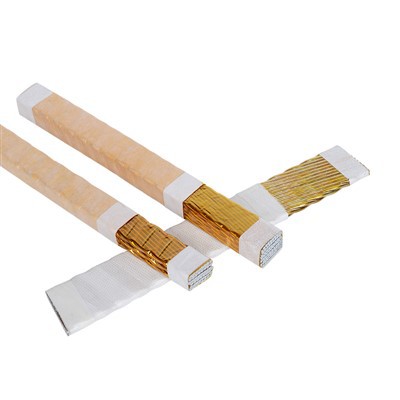
As a supplier of flat litz wire, I am often asked whether this type of wire can be used in transformers. The answer is a resounding yes, and in this blog post, I will delve into the reasons why flat litz wire is an excellent choice for transformer applications, exploring its properties, advantages, and real – world applications.
Understanding Flat Litz Wire
First, let’s briefly understand what flat litz wire is. Flat litz wire consists of multiple individually insulated strands of wire that are woven or braided together. The key difference from traditional round litz wire is its flat shape. This unique structure is designed to reduce the skin effect and proximity effect, which are significant factors affecting the performance of electrical conductors at high frequencies.
The skin effect causes the current to flow mainly on the outer surface of a conductor, increasing the effective resistance of the wire. The proximity effect, on the other hand, occurs when conductors are placed close to each other, and the magnetic fields generated by the currents in adjacent conductors interact, also leading to increased resistance. By using multiple insulated strands, flat litz wire distributes the current more evenly across the cross – section of the wire, effectively mitigating these effects.
Advantages of Flat Litz Wire in Transformers
1. High – Frequency Performance
Transformers are often required to operate at high frequencies, especially in applications such as switch – mode power supplies, renewable energy inverters, and high – speed communication systems. At high frequencies, the performance of traditional solid conductors deteriorates rapidly due to the skin and proximity effects. Flat litz wire, with its ability to reduce these effects, maintains a lower resistance and better current – carrying capacity. This results in less power loss and higher efficiency in the transformer, which is crucial for energy – conscious applications.
For example, in a high – frequency switch – mode power supply, a transformer using flat litz wire can operate with significantly lower losses compared to one using a solid conductor. This not only reduces the energy consumption but also helps in keeping the transformer cool, which extends its lifespan.
2. Space Efficiency
The flat shape of flat litz wire provides better space utilization compared to round litz wire or solid conductors. In transformer design, space is often a critical factor, especially in compact electronic devices. The flat profile allows for better packing density, enabling the construction of smaller and more lightweight transformers.
This space – saving advantage is particularly beneficial in applications such as portable electronic devices, where size and weight are major considerations. By using flat litz wire, designers can create transformers that fit into tight spaces without sacrificing performance.
3. Thermal Management
Efficient thermal management is essential for the reliable operation of transformers. Flat litz wire has a larger surface – area – to – volume ratio compared to round conductors of the same cross – sectional area. This larger surface area allows for better heat dissipation, which helps in keeping the transformer temperature within acceptable limits.
Lower operating temperatures not only improve the efficiency of the transformer but also reduce the risk of thermal damage to the insulation materials. This can lead to a longer service life and higher reliability of the transformer, which is highly desirable in industrial and commercial applications.
4. Flexibility and Ease of Assembly
Flat litz wire is more flexible than solid conductors, which makes it easier to wind around the transformer core. During the manufacturing process, the flexibility of flat litz wire reduces the risk of wire breakage and simplifies the winding operation. This can lead to higher production yields and lower manufacturing costs.
In addition, the flat shape of the wire makes it easier to stack and align, which is beneficial for creating transformers with multiple windings. The ease of assembly also allows for more complex and precise coil designs, enabling the customization of transformers to meet specific application requirements.
Real – World Applications of Flat Litz Wire in Transformers
1. Renewable Energy Inverters
Renewable energy sources such as solar and wind power have seen significant growth in recent years. Inverters are essential components in these systems, converting the DC power generated by the solar panels or wind turbines into AC power for use in the grid or in off – grid applications.
Transformers in renewable energy inverters often operate at high frequencies to improve efficiency and reduce the size of the system. Flat litz wire is an ideal choice for these transformers due to its high – frequency performance and space – saving properties. By using flat litz wire, the inverters can be made more compact and efficient, which is crucial for the widespread adoption of renewable energy technologies.
2. Electric Vehicle Chargers
The increasing popularity of electric vehicles (EVs) has led to a growing demand for efficient and fast – charging solutions. EV chargers typically use transformers to step up or step down the voltage as required.
Flat litz wire can improve the performance of these transformers by reducing power losses and enabling more compact designs. This is particularly important in on – board chargers, where space is limited. The use of flat litz wire in EV chargers can help in reducing the charging time and increasing the overall efficiency of the charging process.
3. Aerospace and Defense Electronics
In aerospace and defense applications, reliability, performance, and weight are of utmost importance. Transformers in these systems need to operate under harsh conditions and with high precision.
Flat litz wire’s high – frequency performance, space efficiency, and thermal management capabilities make it a suitable choice for aerospace and defense transformers. It can help in reducing the weight and size of the transformers while maintaining high levels of performance and reliability, which are critical requirements in these applications.
Considerations for Using Flat Litz Wire in Transformers
While flat litz wire offers many advantages for transformer applications, there are also some considerations that need to be taken into account.
1. Cost
Flat litz wire is generally more expensive than traditional solid conductors. The cost of manufacturing flat litz wire, which involves multiple steps such as strand insulation and braiding, contributes to its higher price. However, in applications where the performance benefits outweigh the cost, such as high – frequency and high – efficiency transformers, the investment in flat litz wire can be justified.
2. Design and Compatibility
The design of the transformer needs to be carefully considered when using flat litz wire. The winding process, the core material, and the overall electrical and mechanical design should be optimized to take full advantage of the properties of flat litz wire. In addition, the flat litz wire needs to be compatible with the other components in the transformer system, such as the insulation materials and the cooling system.
Conclusion
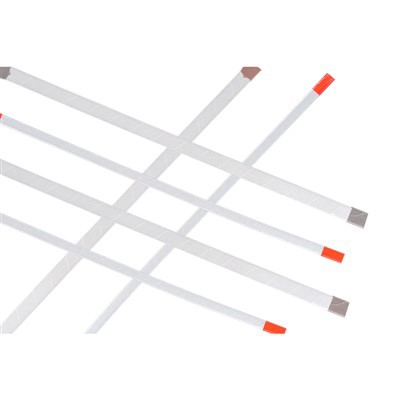
In conclusion, flat litz wire can be effectively used in transformers, offering significant advantages in terms of high – frequency performance, space efficiency, thermal management, and ease of assembly. Its unique properties make it a suitable choice for a wide range of applications, from renewable energy inverters and electric vehicle chargers to aerospace and defense electronics.
Enameled Flat Wire As a supplier of flat litz wire, I have seen firsthand how this innovative wire technology can enhance the performance of transformers. If you are involved in the design or manufacturing of transformers and are looking for a solution to improve efficiency, reduce size, or enhance reliability, I encourage you to consider using flat litz wire. I would be more than happy to discuss your specific requirements and how our flat litz wire can meet your needs. Please reach out to me for further discussions and potential procurement opportunities.
References
- Grover, F. W. (1946). Inductance Calculations: Working Formulas and Tables. Dover Publications.
- Rosa, E. B. (1908). The Self – and Mutual Inductances of Linear Conductors. Bulletin of the Bureau of Standards, 4(2), 301 – 344.
- Sullivan, C. R. (2000). Magnetics for High – Frequency Power Conversion: Fundamentals, Integration, and Design. Kluwer Academic Publishers.
Tianjin Jingwei Power Technology Co., Ltd.
As one of the most professional flat litz wire manufacturers and suppliers in China, we’re featured by quality products and good service. Please rest assured to buy durable flat litz wire made in China here from our factory. Contact us for more details.
Address: No.1 Chuangxin Rd. Xiaozhan Industrial Park, Jinnan District, Tianjin, China
E-mail: info@jwdc.cn
WebSite: https://www.jw-dcs.com/
