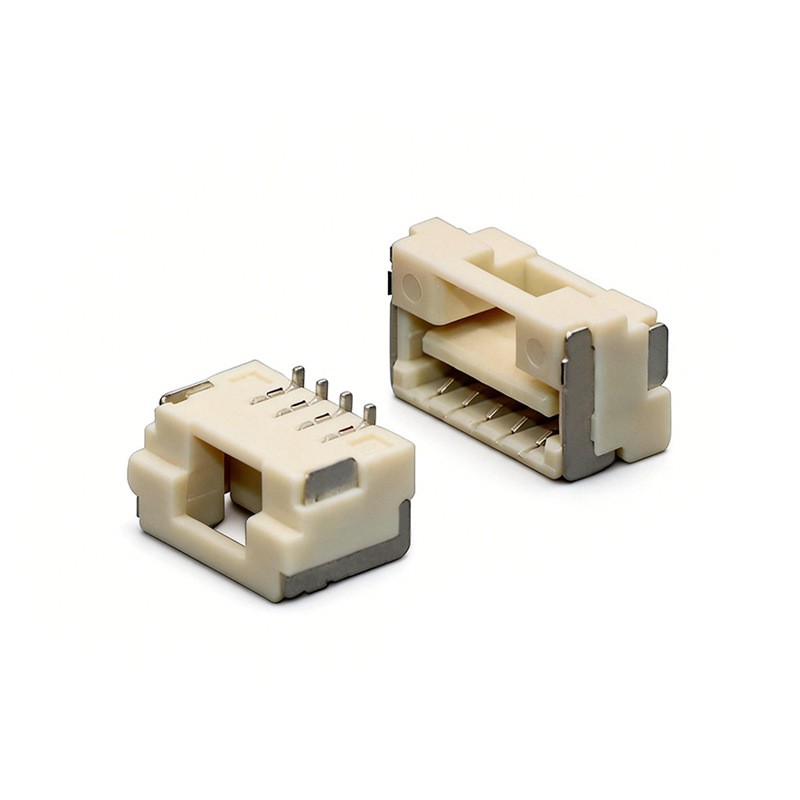
In the dynamic world of automotive and electrical industries, the role of auto connectors cannot be overstated. As a seasoned supplier of auto connectors, I’ve witnessed firsthand the critical importance of ensuring compatibility with different wire gauges. This compatibility is not just a matter of technical prowess; it’s a fundamental requirement for the safety, reliability, and performance of electrical systems in vehicles. Auto Connector
Understanding Wire Gauges
Before delving into how auto connectors ensure compatibility with different wire gauges, it’s essential to understand what wire gauges are. Wire gauge refers to the physical size of a wire, which is typically measured by the American Wire Gauge (AWG) system. In this system, the lower the gauge number, the thicker the wire. For example, a 10 AWG wire is thicker than a 20 AWG wire.
The choice of wire gauge depends on several factors, including the amount of current the wire needs to carry, the length of the wire, and the voltage drop requirements. Thicker wires (lower gauge numbers) can carry more current with less resistance, making them suitable for high – power applications. Thinner wires (higher gauge numbers) are often used for low – power circuits or in situations where space is limited.
The Challenges of Compatibility
When it comes to auto connectors, ensuring compatibility with different wire gauges presents several challenges. Firstly, the electrical connection between the wire and the connector must be reliable. If the connector is not properly matched to the wire gauge, it can lead to a poor electrical connection, which may result in increased resistance, overheating, and even electrical failures.
Secondly, the mechanical connection is equally important. The connector must securely grip the wire to prevent it from coming loose due to vibrations, temperature changes, or mechanical stress. A loose wire can cause intermittent electrical problems, which are difficult to diagnose and can compromise the safety of the vehicle.
Design Features for Compatibility
To overcome these challenges, auto connectors are designed with several features that ensure compatibility with different wire gauges.
Adjustable Contact Systems
One of the most common design features is an adjustable contact system. These connectors are equipped with contacts that can be adjusted to fit different wire sizes. For example, some connectors use a spring – loaded contact mechanism. The spring exerts a constant force on the wire, regardless of its gauge, ensuring a secure electrical and mechanical connection. This type of design is particularly useful in applications where a wide range of wire gauges may be used.
Multiple Contact Sizes
Another approach is to provide connectors with multiple contact sizes. In a multi – contact connector, different contacts are designed to accommodate different wire gauges. This allows the user to select the appropriate contact for the wire they are using, ensuring a proper fit. For example, a connector may have contacts for 16 AWG, 18 AWG, and 20 AWG wires, providing flexibility in wire selection.
Insulation Displacement Technology
Insulation displacement connectors (IDCs) are also widely used in auto connectors. IDCs work by cutting through the wire insulation and making contact with the conductor without the need for stripping the wire. These connectors are designed to accept a range of wire gauges, as the cutting blades are engineered to accommodate different wire thicknesses. The advantage of IDCs is that they provide a quick and reliable connection, reducing the time and effort required for installation.
Testing and Quality Control
Ensuring compatibility with different wire gauges is not just about design; it also involves rigorous testing and quality control. As a supplier, we conduct a series of tests to verify the performance of our auto connectors with various wire gauges.
Electrical Conductivity Testing
One of the primary tests is electrical conductivity testing. We measure the resistance of the connection between the wire and the connector to ensure that it meets the specified standards. A high – resistance connection can lead to power loss and overheating, so it’s crucial to ensure that the resistance is within acceptable limits for all wire gauges the connector is designed to accommodate.
Mechanical Stress Testing
Mechanical stress testing is also essential. We subject the connectors to simulated vibration, shock, and temperature cycling to ensure that the connection remains secure over time. This helps us identify any potential weaknesses in the design and make the necessary improvements. For example, if a connector fails to maintain a secure grip on a certain wire gauge during vibration testing, we may modify the contact design or the locking mechanism.
Environmental Testing
In addition, we conduct environmental testing to evaluate the performance of the connectors in different operating conditions. This includes exposure to moisture, dust, and chemicals, which are common in automotive environments. The connectors must be able to withstand these environmental factors without compromising their compatibility with different wire gauges.
Customization for Specific Applications
In some cases, standard auto connectors may not meet the specific requirements of a particular application. That’s where customization comes in. As a supplier, we offer customized solutions to meet the unique needs of our customers.
Custom Contact Designs
We can design custom contacts to accommodate non – standard wire gauges or to provide a better fit for specific wire types. For example, if a customer needs a connector for a very thin or very thick wire that is not covered by our standard product range, we can develop a custom contact design that ensures a reliable connection.
Connector Housing Modifications
We also offer modifications to the connector housing to suit the application requirements. This may include changing the shape, size, or material of the housing to improve the connector’s performance in a particular environment. For example, if a connector needs to be used in a high – temperature environment, we can use a heat – resistant material for the housing.
Importance of Compatibility in the Automotive Industry
The automotive industry is highly dependent on the reliable operation of electrical systems. From engine control units to entertainment systems, every component relies on a secure and efficient electrical connection. Ensuring compatibility between auto connectors and different wire gauges is crucial for the overall performance and safety of vehicles.
Safety
A poor electrical connection due to incompatible wire gauges can lead to a variety of safety hazards. Overheating wires can cause fires, which pose a significant risk to the vehicle occupants. In addition, intermittent electrical faults can affect the operation of critical safety systems, such as airbags and anti – lock braking systems.
Reliability
Reliability is another key factor in the automotive industry. Vehicles are expected to operate flawlessly in a wide range of conditions, and any electrical failure can lead to costly repairs and downtime. By using auto connectors that are compatible with different wire gauges, manufacturers can ensure the long – term reliability of their electrical systems.
Performance
Finally, compatibility also affects the performance of electrical systems. A proper electrical connection ensures that the components receive the correct amount of power, which is essential for optimal performance. For example, a poorly connected sensor may provide inaccurate readings, leading to sub – optimal engine performance.
Conclusion
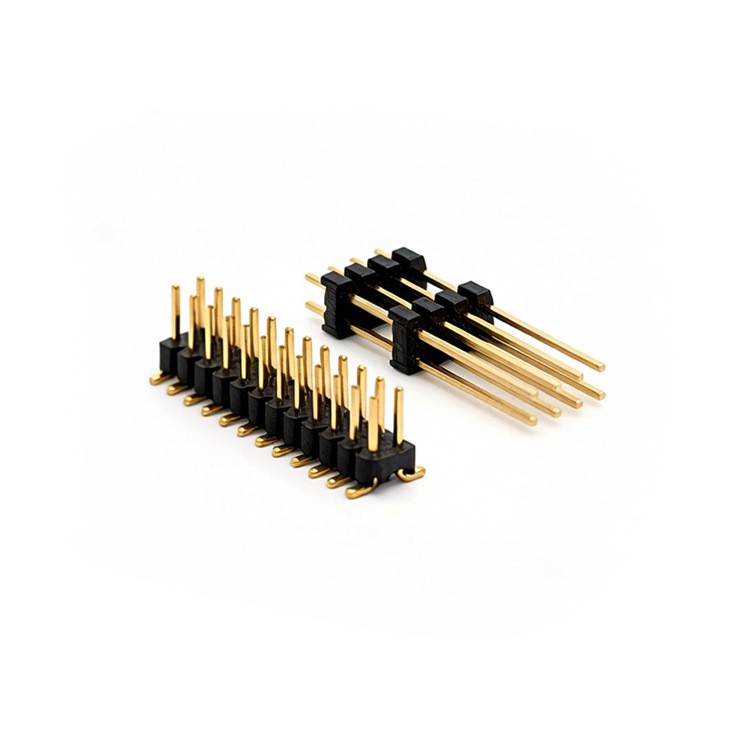
As an auto connector supplier, ensuring compatibility with different wire gauges is at the core of our business. Through innovative design, rigorous testing, and customization options, we are able to provide our customers with high – quality connectors that meet the diverse needs of the automotive and electrical industries.
Auto Connector If you are in the market for auto connectors that offer excellent compatibility with different wire gauges, we invite you to contact us for a detailed discussion about your requirements. Our team of experts is ready to assist you in finding the right solution for your application.
References
- Grover, Wayne D. "Understanding Wire Gauges and Their Applications." Electrical Engineering Handbook, CRC Press, 2005.
- Paul, Clayton R. "Electromagnetic Compatibility for Power Electronics: Principles and Applications." Wiley – IEEE Press, 2007.
- Automotive Wiring Harness Design and Manufacturing Standards, Society of Automotive Engineers (SAE).
Wenzhou JKUN Connector Co., Ltd.
As one of the most professional auto connector manufacturers and suppliers in China, we’re featured by quality products and low price. Please rest assured to wholesale bulk customized auto connector from our factory. For quotation and free sample, contact us now.
Address: No.2667, Ningkang East Road, Yueqing City, Zhejiang Province, China
E-mail: sales@cnjkun.com
WebSite: https://www.jkunjcj.com/
