What is the role of the decoiler in a Cut To Length Line?
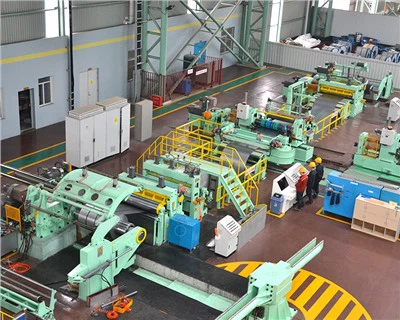
As a seasoned supplier of Cut To Length (CTL) Lines, I’ve witnessed firsthand the pivotal role that each component plays in ensuring the efficiency and accuracy of the entire operation. Among these components, the decoiler stands out as a fundamental element that sets the stage for the entire cutting process. In this blog post, I’ll delve into the crucial role of the decoiler in a CTL Line, exploring its functions, types, and the impact it has on the overall performance of the system. Cut To Length Line
The Basics of a Cut To Length Line
Before we dive into the specifics of the decoiler, let’s take a moment to understand the basic concept of a Cut To Length Line. A CTL Line is a specialized machine used to convert coiled metal strips into flat sheets of a specified length. This process is widely used in various industries, including automotive, construction, and manufacturing, where precise and consistent sheet sizes are required.
The typical CTL Line consists of several key components, including a decoiler, a straightener, a shear, a conveyor system, and a stacker. Each component has a specific function, and they work together in a coordinated manner to achieve the desired results. The decoiler, as the first component in the line, is responsible for unwinding the coiled metal strip and feeding it into the subsequent stages of the process.
The Role of the Decoiler
The primary role of the decoiler in a CTL Line is to hold and unwind the coiled metal strip at a controlled speed. This may seem like a simple task, but it is actually crucial for the smooth operation of the entire line. Here are some of the key functions of the decoiler:
1. Material Holding
The decoiler is designed to securely hold the coiled metal strip in place. It typically consists of a mandrel, which is inserted into the center of the coil, and a frame that supports the mandrel. The mandrel expands to grip the inner diameter of the coil, preventing it from slipping or falling off during the unwinding process.
2. Unwinding
Once the coil is loaded onto the decoiler, the next step is to unwind it. The decoiler is equipped with a drive system, which can be either mechanical, hydraulic, or electric, depending on the type and size of the line. The drive system rotates the mandrel, causing the coil to unwind and feed the metal strip into the straightener.
3. Tension Control
Maintaining proper tension in the metal strip is essential for achieving accurate and consistent cuts. The decoiler is equipped with a tension control system, which adjusts the speed of the mandrel rotation to ensure that the strip is unwound at a constant tension. This helps to prevent the strip from bunching up or stretching, which can lead to uneven cuts and other quality issues.
4. Strip Feeding
In addition to unwinding the coil, the decoiler also plays a crucial role in feeding the metal strip into the subsequent stages of the CTL Line. It is designed to deliver the strip smoothly and continuously, ensuring that the straightener and shear can operate efficiently.
Types of Decoilers
There are several types of decoilers available, each with its own unique features and advantages. The choice of decoiler depends on various factors, such as the type and thickness of the metal strip, the coil weight and diameter, and the production requirements of the CTL Line. Here are some of the most common types of decoilers:
1. Manual Decoilers
Manual decoilers are the simplest and most basic type of decoiler. They are typically used for small-scale applications or when the production volume is relatively low. Manual decoilers require the operator to manually load the coil onto the mandrel and adjust the tension and speed of the unwinding process.
2. Power Decoilers
Power decoilers are more advanced than manual decoilers and are designed for higher production volumes. They are equipped with a drive system, which can be either electric or hydraulic, to automate the unwinding process. Power decoilers offer greater precision and control over the tension and speed of the strip, resulting in higher quality cuts.
3. Hydraulic Decoilers
Hydraulic decoilers are similar to power decoilers, but they use a hydraulic drive system instead of an electric one. Hydraulic decoilers offer several advantages, including higher torque, faster response times, and better control over the tension and speed of the strip. They are typically used for heavy-duty applications or when the coil weight and diameter are large.
4. Servo Decoilers
Servo decoilers are the most advanced type of decoiler and are designed for high-precision applications. They are equipped with a servo motor, which provides precise control over the speed and position of the mandrel. Servo decoilers offer excellent tension control and can handle a wide range of strip thicknesses and coil sizes.
Impact on the Overall Performance of the CTL Line
The decoiler plays a crucial role in the overall performance of the CTL Line. A well-designed and properly maintained decoiler can significantly improve the efficiency, accuracy, and quality of the cutting process. Here are some of the ways in which the decoiler impacts the performance of the CTL Line:
1. Productivity
The decoiler is the first component in the CTL Line, and its performance directly affects the productivity of the entire line. A fast and efficient decoiler can unwind the coil quickly and feed the strip into the subsequent stages of the process without any delays. This helps to reduce the overall production time and increase the output of the line.
2. Quality
The decoiler also has a significant impact on the quality of the cut sheets. By maintaining proper tension in the metal strip, the decoiler helps to prevent the strip from bunching up or stretching, which can lead to uneven cuts and other quality issues. A high-quality decoiler can ensure that the strip is fed smoothly and continuously into the straightener and shear, resulting in precise and consistent cuts.
3. Safety
The decoiler is a heavy and powerful machine, and it is important to ensure that it is operated safely. A well-designed decoiler is equipped with safety features, such as emergency stops, guards, and sensors, to prevent accidents and injuries. By providing a safe working environment for the operators, the decoiler helps to reduce the risk of downtime and improve the overall efficiency of the CTL Line.
Conclusion

In conclusion, the decoiler is a critical component in a Cut To Length Line. It plays a vital role in holding and unwinding the coiled metal strip, maintaining proper tension, and feeding the strip into the subsequent stages of the process. The choice of decoiler depends on various factors, such as the type and thickness of the metal strip, the coil weight and diameter, and the production requirements of the CTL Line. By choosing the right decoiler and ensuring that it is properly maintained, you can significantly improve the efficiency, accuracy, and quality of the cutting process.
Cut To Length Line If you are in the market for a Cut To Length Line or are looking to upgrade your existing equipment, I invite you to contact us to discuss your specific requirements. Our team of experts can help you select the right decoiler and other components for your application, ensuring that you get the best possible performance and value for your investment.
References
- ASM International, "The Complete Guide to Metalworking Machinery", 2020.
- Society of Manufacturing Engineers, "Manufacturing Processes and Materials", 2019.
Shanghai HOYO Industries Co., Ltd.
Shanghai HOYO Industries Co., Ltd. is one of the most professional cut to length line manufacturers and suppliers in China, featured by quality products and competitive price. Please rest assured to buy cheap cut to length line for sale here from our factory. Contact us for customized service.
Address: No.8, Jianding Road, Fengjing Town, Jinshan District, Shanghai, China
E-mail: info@hoyomachinery.com
WebSite: https://www.hoyomachinery.com/
