In the dynamic landscape of manufacturing, general-purpose injection molding machines stand as versatile workhorses, capable of transforming raw plastic materials into a wide array of products. At the heart of their functionality lies the plasticizing capacity, a critical factor that significantly influences the efficiency, quality, and productivity of the injection molding process. As a leading supplier of general-purpose injection molding machines, I am excited to delve into the importance of plasticizing capacity and its far-reaching implications for manufacturers. General-purpose Injection Molding Machine
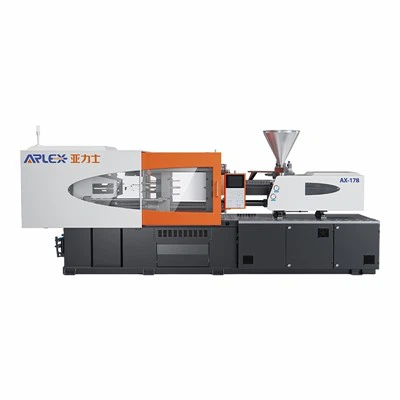
Understanding Plasticizing Capacity
Plasticizing capacity refers to the ability of an injection molding machine to melt, homogenize, and convey a specific quantity of plastic material within a given time frame. It is typically measured in grams per second or kilograms per hour and is a key specification that determines the machine’s output rate and processing capabilities. The plasticizing unit of an injection molding machine consists of a screw and a barrel, which work in tandem to heat, mix, and transport the plastic pellets from the hopper to the mold cavity.

The plasticizing process begins with the rotation of the screw, which draws the plastic pellets from the hopper into the barrel. As the screw rotates, it pushes the pellets forward, while the heaters surrounding the barrel heat the plastic to its melting point. The rotating screw also serves to homogenize the molten plastic, ensuring a uniform temperature and consistency throughout the material. Once the plastic is fully melted and homogenized, the screw retracts, allowing the molten plastic to collect in front of the screw tip. The screw then advances, injecting the molten plastic into the mold cavity under high pressure, where it cools and solidifies to form the desired product.
Importance of Plasticizing Capacity
- Production Efficiency: One of the primary benefits of a high plasticizing capacity is increased production efficiency. A machine with a higher plasticizing capacity can melt and inject larger volumes of plastic material in a shorter period, allowing for faster cycle times and higher output rates. This is particularly advantageous for manufacturers who need to produce large quantities of parts in a short amount of time, such as those in the automotive, consumer goods, and packaging industries. By reducing cycle times, manufacturers can increase their throughput, improve their competitiveness, and meet the growing demands of their customers.
- Product Quality: In addition to enhancing production efficiency, the plasticizing capacity of an injection molding machine also plays a crucial role in ensuring product quality. A machine with a sufficient plasticizing capacity can maintain a consistent melt temperature and flow rate, which are essential for producing high-quality parts with uniform dimensions, properties, and appearance. If the plasticizing capacity is inadequate, the plastic may not be fully melted or homogenized, resulting in defects such as short shots, cold slugs, and flow lines. These defects can compromise the functionality, durability, and aesthetics of the final product, leading to increased scrap rates, rework, and customer dissatisfaction.
- Material Compatibility: Another important consideration when selecting an injection molding machine is its plasticizing capacity in relation to the type of plastic material being used. Different plastic materials have different melting points, viscosities, and processing requirements, which can affect the plasticizing efficiency and performance of the machine. For example, highly viscous materials such as high-density polyethylene (HDPE) and polycarbonate (PC) require a higher plasticizing capacity to ensure complete melting and homogenization, while low-viscosity materials such as polypropylene (PP) and polystyrene (PS) can be processed with a lower plasticizing capacity. By choosing a machine with the appropriate plasticizing capacity for the specific material being used, manufacturers can ensure optimal processing conditions and achieve the best possible results.
- Flexibility and Versatility: A general-purpose injection molding machine with a high plasticizing capacity offers greater flexibility and versatility in terms of the types and sizes of parts that can be produced. With a larger plasticizing capacity, the machine can handle a wider range of materials and part geometries, allowing manufacturers to diversify their product offerings and respond to changing market demands. This is particularly beneficial for small and medium-sized manufacturers who may need to produce a variety of parts in different quantities and sizes. By investing in a machine with a high plasticizing capacity, manufacturers can expand their capabilities, increase their market share, and stay ahead of the competition.
- Cost Savings: Finally, the plasticizing capacity of an injection molding machine can have a significant impact on the overall cost of production. A machine with a higher plasticizing capacity can reduce the energy consumption per unit of production, as it can melt and inject the same amount of plastic material in less time. This can result in lower energy costs and a more sustainable manufacturing process. Additionally, a machine with a high plasticizing capacity can reduce the number of machines required to produce a given volume of parts, which can lower the initial investment cost, as well as the maintenance, labor, and floor space requirements.
Factors Affecting Plasticizing Capacity
- Screw Design: The design of the screw plays a crucial role in determining the plasticizing capacity of an injection molding machine. The screw is responsible for conveying, melting, and homogenizing the plastic material, and its geometry, length, diameter, and pitch can all affect its performance. A longer screw with a larger diameter and a smaller pitch generally provides a higher plasticizing capacity, as it allows for more efficient melting and mixing of the plastic material. However, the screw design must also be optimized for the specific material being processed, as different materials have different melting points and viscosities.
- Barrel Temperature: The temperature of the barrel is another important factor that affects the plasticizing capacity of an injection molding machine. The barrel heaters are used to heat the plastic material to its melting point, and the temperature must be carefully controlled to ensure optimal processing conditions. If the barrel temperature is too low, the plastic may not be fully melted, resulting in poor plasticizing performance and product defects. On the other hand, if the barrel temperature is too high, the plastic may degrade, resulting in discoloration, reduced mechanical properties, and increased scrap rates.
- Screw Speed: The speed at which the screw rotates also affects the plasticizing capacity of an injection molding machine. A higher screw speed generally results in a higher plasticizing capacity, as it allows for more efficient melting and mixing of the plastic material. However, the screw speed must also be optimized for the specific material being processed, as different materials have different melting points and viscosities. If the screw speed is too high, the plastic may degrade, resulting in discoloration, reduced mechanical properties, and increased scrap rates.
- Back Pressure: Back pressure is the pressure applied to the molten plastic in the barrel during the plasticizing process. It is used to improve the melting and mixing of the plastic material, as well as to ensure a uniform melt temperature and consistency. A higher back pressure generally results in a higher plasticizing capacity, as it allows for more efficient melting and mixing of the plastic material. However, the back pressure must also be optimized for the specific material being processed, as different materials have different melting points and viscosities. If the back pressure is too high, the plastic may degrade, resulting in discoloration, reduced mechanical properties, and increased scrap rates.
Conclusion
Plastic Injection Moulding Machine In conclusion, the plasticizing capacity of a general-purpose injection molding machine is a critical factor that significantly influences the efficiency, quality, and productivity of the injection molding process. By understanding the importance of plasticizing capacity and the factors that affect it, manufacturers can make informed decisions when selecting an injection molding machine and optimize their processing conditions to achieve the best possible results. As a leading supplier of general-purpose injection molding machines, we are committed to providing our customers with high-quality machines that offer superior plasticizing capacity, reliability, and performance. If you are interested in learning more about our products or discussing your specific injection molding requirements, please do not hesitate to contact us. We look forward to the opportunity to work with you and help you achieve your manufacturing goals.
References
- Throne, James L. Plastics Process Engineering. Marcel Dekker, 1996.
- Osswald, Tim A., and Tolou Sobkowiak. Injection Molding Handbook. Hanser Gardner Publications, 2006.
- Booy, Martin. Injection Molding of Thermoplastics Materials. Hanser Publishers, 1982.
Ningbo Yalishi (Arlex) Plastic Machinery Co., Ltd.
Address: No.63, Huangsu East Road, Industrial Zone, Dongqian Lake Tourist Resort, Ningbo, Zhejiang Province
E-mail: leo@arlex.cn
WebSite: https://www.arleximm.com/
