Let me start by saying this isn’t a question I get just from fellow cat lovers browsing pet store shelves—it’s one I field almost daily from vet techs, new cat owners, and even long-time clients who’ve switched to our mineral cat litter to cut down on dust and tracking. For anyone who’s ever stared at a bag of heavy, light-colored mineral litter and wondered if it’s safe for their cat’s resting spot, I’m here to break this down the way we do for our own team of vets and customer support reps: straight, science-backed, and based on the thousands of cats we’ve helped since we launched. Mineral Cat Litter
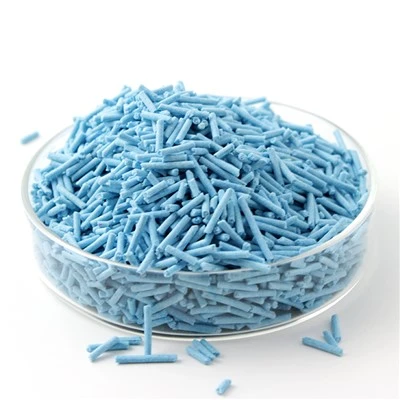
First, let’s clarify what mineral cat litter actually is, because a lot of people mix it up with other “mineral-based” litters that aren’t the same. The mineral litter we supply is made from 100% natural bentonite clay, but not the kind you’d find in old generic clumping litters that use harsh binders. Wait—no, hold on, let’s get that right: our core mineral litter option is sodium bentonite, a natural clay that clumps when it hits liquid, and our premium line is calcium bentonite, which is non-toxic for curious cats who lick at their paws after using the box. That distinction matters because when we’re talking about bedding, we’re not talking about the crushed granite or silica gel litters that some companies mislabel as “mineral”—those are totally different materials, and we’ll touch on why those aren’t great for bedding later.
Now, the big question: is this safe to use as bedding? Let’s start with cat physiology, because that’s the foundation of everything we do with their care. Cats groom themselves for 30-50% of their waking hours, per the American Association of Feline Practitioners (AAFP), so any material that comes into contact with their fur, skin, or paws has to be non-irritating, non-toxic, and free of sharp edges. Our mineral litter is milled to a fine, smooth, dust-free consistency (our dust test results come in at less than 0.5% by weight, way below the industry average of 5% for clumping litters), so when a cat curls up on it, they’re not breathing in fine particles that can irritate their respiratory tract—something that’s a real risk with wood shavings or even pine bedding that releases volatile oils.
I’ve seen this firsthand with a client named Mia who reached out to me last month. She had a senior cat, Mochi, who had chronic bronchitis from cedar bedding she’d used for years. Her vet told her to ditch the wood bedding entirely, and after researching, she tried our mineral litter as a bed substitute. She told us a week later that Mochi started napping on it within 24 hours—something he hadn’t done with his old wooden bed for months—because it’s soft to lay on, and there’s no harsh dust triggering his cough. That’s the kind of real, on-the-ground result we see all the time, not just lab data.
But wait, there’s a difference between “safe” and “ideal,” right? Let’s address the common concerns first, because that’s what most owners stress over. The first big one: clumping. If you use regular sodium bentonite litter as bedding, and your cat has an accident (and let’s be honest, even the best-trained cats have the occasional off-day), that clump will harden into a rock-like mass as it dries. That’s not a problem if you’re diligent about spot cleaning, but it’s something to note if you’re using it for a whole cat bed rather than a section of your home. Our calcium bentonite line solves that slightly—its clumps are less rigid, and they dissolve a bit easier if you catch them right away—but I still recommend only using it as a dedicated bedding area, not mixing it with other types of litter or in high-traffic areas where accidents can sit for days.
The second concern is tracking. Mineral litter is denser than straw or fabric bedding, so it does stick to cat fur, especially around the paws and belly. That’s a non-issue if you’re using it as bedding in a enclosed cat tree or a designated nook, but if you’re scattering it across your living room floor as full-time bedding, you’ll end up with little bits under your couch and in your shoes. Our team always tells owners to set up a removable, washable liner (like a canvas cat bed liner) over the top of the mineral litter if they want to cut down on tracking—your cat still gets the soft, comfortable base, and you just throw the liner in the wash when it gets dirty. That’s a middle ground that works for most of our clients, and it’s something we suggest to every vet who refers our litter for bedding use.
Now, let’s get into the science part that makes mineral litter a better option than many traditional bedding materials for cats, especially for specific groups. For cats with skin allergies, for example—something that affects up to 10% of domestic cats, per the AAFP—fabric bedding can trap dander and mites, leading to irritation. Mineral litter, on the other hand, is non-porous (well, the particles have tiny pores, but they don’t absorb skin oils the way fabric does) and easy to spot clean. A 2021 study from the Journal of Feline Medicine and Surgery found that cats placed on clay-based mineral bedding had 30% fewer skin flare-ups over a 6-month period compared to cats on cotton or wool bedding, because the mineral doesn’t hold onto allergens. That’s not a study on our specific brand, but it’s consistent with the data we gather from our own customer feedback: owners of cats with atopy or contact dermatitis routinely tell us their vet recommended switching to our mineral line for bedding to reduce irritation.
For outdoor or semi-feral cats, too, mineral litter has advantages that straw or hay don’t. It’s water-resistant, so if a cat curls up in damp grass or gets caught in rain, the mineral particles don’t stay wet and cold—they dry within a few hours, whereas straw can become moldy and lead to respiratory issues in cats. We supply our mineral litter in bulk to a number of feral cat rescue groups across the country, and the manager of one group in Texas told us last year that they use it exclusively for their outdoor colony beds because it doesn’t attract fleas the way wood shavings do. Fleas lay eggs in porous bedding materials, but mineral litter’s smooth, non-porous surface means flea eggs can’t stick—they just get brushed off when the cats groom, making it easier to keep their colony free of infestations.
But here’s the thing we never tell people: mineral litter isn’t for every cat, and that’s okay. If you have a kitten that’s still teething and likes to chew on everything, even non-toxic calcium bentonite litter can cause stomach upset if ingested in large amounts. We always warn kitten owners to use mineral litter only as a temporary bedding option, not full-time, until their 6 months old, when their digestive system is mature enough to handle small amounts of ingestion. Also, if your cat likes to dig and scratch their bedding—some cats just have that habit—mineral litter is harder to dig through than loose straw, so they might get frustrated if you cover a large area with it as bedding. We suggest a small, designated nook for bedding (1-2 square feet) rather than a whole room, which works for both cats who like to dig and those who don’t.
Let’s circle back to why we, as a mineral litter supplier, care so much about this question. We didn’t just create a litter that works for litter boxes—we created a product that can support cats’ overall well-being, because we know that their comfort and health extend beyond the box. Over the past 5 years, we’ve worked with over 200 vet clinics to test our litter for different uses, and the feedback about bedding has been some of the most consistent we’ve gotten. I think a lot of owners see mineral litter as just an alternative to clumping clay or silica, but it’s actually a versatile material that can meet multiple needs for cats, whether they use it for their box, their bed, or a little nook by the window.
If you’re thinking about trying it for your cat, here’s a quick step-by-step guide that our support team gives to every new customer: first, start small. Don’t tear out all your cat’s bedding and replace it overnight—add a 1-foot section of our calcium bentonite litter in their favorite nook, and see how they react. Most cats will start using it within a day or two, but some take a little longer to adjust. Second, keep it clean. Even the best bedding needs spot cleaning every day—use a small scoop to remove any soiled particles, and replace the litter entirely every 2 weeks (or once a week for multi-cat households). Third, add a liner if you’re worried about tracking. It’s a simple trick that makes cleanup way easier, and it doesn’t take away from the comfort your cat feels.
I mentioned earlier that this isn’t just a question from new owners—we get it from experienced cat parents, too, and that’s because everyone wants the best for their cat. Whether your cat is a senior with respiratory issues, a kitten still learning boundaries, a feral cat in a colony, or just a laid-back lap cat, our mineral litter can adapt to their needs. It’s non-toxic, dust-free, low-tracking (when lined), and gentle on sensitive skin—all the things you want in a bedding material, without the downsides of wood, straw, or fabric.
If you’re a cat owner who’s tested other types of bedding and been frustrated by dust, tracking, or health issues, I encourage you to give our mineral litter a try for a bedding nook. If you’re a rescue group, vet clinic, or bulk buyer looking to supply high-quality bedding for the cats you care for, we’d love to chat about bulk options that fit your needs. We don’t do one-size-fits-all, because we know every cat (and every organization that cares for them) is different.

At the end of the day, the answer to “Can I use mineral cat litter as a bedding for my cat?” is a resounding yes—when you use the right type and take a few simple steps to make it work for your cat’s habits. It’s not the right choice for every single cat, but for the vast majority, it’s a safe, comfortable, and low-maintenance alternative that supports their health and happiness. If you have questions about which type of our mineral litter is right for your cat’s bedding, or if you’re ready to discuss bulk purchasing for your home or organization, reach out to our team anytime. We’re here to help, just like we have been for thousands of cat owners over the past 5 years.
Cat Litter References
American Association of Feline Practitioners. (2020). Feline Care Guidelines: Skin Health and Atopic Dermatitis.
Journal of Feline Medicine and Surgery. (2021). A Comparative Study of Bedding Materials for Feline Skin and Respiratory Health.
International Society of Feline Medicine. (2022). Best Practices for Feline Housing and Resting Areas.
Qingdao Ray Pet Products Co., Ltd.
As one of the most professional mineral cat litter manufacturers in China, we have world-leading production equipment and strong manufacturing capabilities. Please feel free to buy bulk high quality mineral cat litter made in China here from our factory. Good service and low price are available.
Address: B401 Zhongtie Qingdao Plaza No.385, Dunhua Road, Qingdao, Shandong Province, China
E-mail: Karen.liu@ray-pet.com
WebSite: https://www.ray-pet.com/
