Hey everyone, let’s cut to the chase – if you’ve ever stood near a concrete batching plant on a busy job site, you’ve probably noticed that fine, powdery dust hanging in the air, right? It’s not just annoying; it’s a real pain for our team (I run a concrete batching plant supply company, so I’m knee-deep in this stuff every single day) and a big concern for everyone around. Clients always ask me first: how do you actually keep that dust from taking over? No fancy corporate jargon, just the real, workable stuff we use day in and day out. Let’s break this down like we’re chatting over a coffee, not writing a textbook. Concrete Batching Plant

First off, let’s get one thing straight – we can’t just “shut off” dust entirely, but we can keep it to a level that’s totally compliant (and way better for the job, honestly). The biggest dust culprits around our plants? The raw material storage areas – think cement, fly ash, slag, all those powdery additives – the loading and unloading spots, and the mixing process itself. Let’s start with the easiest fix we swear by: dust collection systems. Wait, not those clunky, old-school ones that sound like a jet engine taking off, though we did test those once. No, these days we use baghouse dust collectors. They’re connected directly to every dusty spot: the top of cement silos, the aggregate bins, the mixer hood. The way it works is simple – the air loaded with dust gets sucked through fabric filters in the collector, the dust sticks to the bags, and then the system pulses compressed air to shake the dust off into a hopper at the bottom, which we can recycle back into the mix. No waste, no extra mess, just clean air going out the exhaust. We’ve had clients tell us these cut dust emissions by like 98% at the source, and honestly? That number checks out with what our maintenance guys track every month.
Wait, let’s not sleep on silo top filters, though. Those are a specific type of small baghouse we mount right on the very top of cement and powder silos. When we fill up a silo with cement from a bulk truck, the air has to escape, right? If we didn’t have a filter there, all that cement dust would shoot straight up into the air like a tiny tornado. Silo top filters are perfect for that – they’re compact, easy to replace the bags once a year, and they handle that specific loading dust like a charm. We once had a client in a suburban area that got a complaint because a neighbor saw a little dust drift from a silo fill. We swapped their old filter for a higher-efficiency one, and they never heard another peep. Game changer for tight, urban job sites.
Next up: aggregate handling. Sand and gravel are less powdery than cement, but they still kick up dust when you load them into the bins or transfer them between conveyor belts. We don’t just leave those belts out in the open, either. We use conveyor covers – not just flimsy plastic, but heavy-duty, welded metal covers that run the entire length of the conveyor, with small access hatches for maintenance. That keeps the dust contained while the aggregate moves. Also, we spray a fine mist of water at transfer points – the spot where the belt dumps into the next bin, for example. Not too much that it turns the aggregate into mud, just enough to weigh down the tiny dust particles so they don’t float away. It’s a simple trick, but it works. We calibrated our spray nozzles so they only use like 5 gallons of water per minute per transfer point – no overspray, no wasted water, just dust control.
Now, let’s talk about mixing, because that’s another big dust spot. When the mixer spins, you get that little cloud of dust as the dry ingredients get tossed together. We install enclosed mixer hoods around the top of the mixer, connected back to the same baghouse system we mentioned earlier. So when that dust comes up, it gets pulled right into the hood and filtered, not out into the air. Some clients used to leave their mixers open to make cleaning easier, but we learned quick – even 10 minutes of open mixing can dump enough dust to set off a neighbor’s dust monitor. The enclosed hoods have quick-release latches, so maintenance guys can pop them off in 30 seconds if they need to clean the mixer, no hassle. That’s a big selling point for us – no downtime for dust control.
Wait, what about when it’s super dry or windy out? Even with all those systems, sometimes nature throws us a curveball. We have a few go-to extra steps for that. First, we do regular water sprays on the storage piles – the big piles of sand and gravel at the plant site. Not just a quick sprinkle, but we have permanent sprinkler lines that run around the storage area, set on a timer, so they mist the piles for 10 minutes every 2 hours on hot, dry days. That keeps the surface of the pile damp, so wind can’t blow the dust off. We also have wind screens – big, solid fences (usually made of metal or reinforced fabric) that go around the edges of the storage yard. If the wind’s blowing 20 mph, those screens cut the wind speed around the piles by like 70%, so dust can’t get carried away. That’s been a lifesaver for clients in flat, open areas where wind is constant.
Oh, and let’s not forget about operator training. I know it sounds silly, but a plant run by someone who doesn’t pay attention to small details will have way more dust than one where everyone knows the rules. For example: when loading a silo, you have to make sure the silo top filter is turned on before you start filling, not halfway through. If you skip that, you’ll get a cloud. Or, when transferring aggregate, you can’t overload the belt – it spills over the sides, which kicks up dust. We train every operator we work with (and give free refreshers every quarter) on these small, easy-to-miss steps. It’s not rocket science, but it makes a huge difference. We’ve had new operators come in who didn’t know these things, and their site dust levels were way higher until we trained them. That’s part of the service we provide, not just selling the equipment.
Wait, let’s address the elephant in the room: old vs. new plants. A lot of our clients come to us with an older plant they’ve had for 10+ years, and they’re frustrated because it’s always dusty. We don’t make them replace the whole thing – we do retrofits. We can add baghouse filters to an old plant’s silos and mixers, add conveyor covers, upgrade the spray systems. We did a retrofit for a client last year that saved them like $50k instead of buying a new plant, and their dust emissions dropped by 90%. That’s way more affordable for small to mid-sized operations that don’t have a huge budget.
Is there a downside to all this? Sure, nothing’s perfect. The filters need to be replaced every 12-18 months, depending on how much the plant runs. But that’s a cheap, regular maintenance cost – way cheaper than paying fines for exceeding dust limits, or dealing with angry neighbors (I’ve heard horror stories of clients getting $10k fines because of unregulated dust – that’s no fun). Also, the spray systems use a little water, but we’re careful not to overdo it, so it doesn’t affect the concrete mix quality. We test every spray setting with our lab team to make sure the aggregate moisture level stays consistent, so no issues with the concrete strength.
Now, let’s talk about regulations, because that’s the reason a lot of our clients come to us. Different areas have different dust limits – some cities in the US require plants to keep particulate matter under 50 micrograms per cubic meter, which is super strict. Our systems make it easy to meet those limits, because we design every setup to comply with local rules from the get-go. We also give our clients a compliance report every month, showing their dust levels, so they can prove to the city they’re following the rules. That’s a big peace of mind for anyone operating in a regulated area.
Wait, let’s make this relatable. Last month, I visited a job site in a residential area outside of Austin. The plant they had before us was getting complaints every week, so they were on the verge of having it shut down. We installed our baghouse filters, conveyor covers, and adjusted their spray system. A month later, their neighbor stopped by and said “I haven’t seen a single dust cloud in weeks” – that’s exactly what we’re here for. It’s not just about selling equipment; it’s about solving a real problem that keeps our clients in business.
So, if you’re someone who’s dealing with dust issues at your concrete batching plant, or you’re looking to set up a new plant and want to avoid these headaches entirely, feel free to reach out to our team. We don’t do one-size-fits-all – we’ll come to your site, walk through it with you, figure out which systems will work best for your specific needs (whether it’s a small plant for local jobs or a big one for highway projects), and make sure it’s affordable, easy to maintain, and totally compliant. No pressure, just real advice from someone who’s been in this game for years, knows the ins and outs, and cares about making your plant run as clean as it does efficiently.
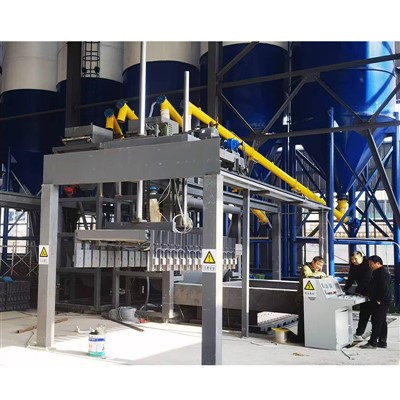
If you have any questions about specific setups, or want to chat through your dust challenges, hit us up for a consultation. We’re here to help you keep your plant running smoothly, without the dust headaches.
Natural Gypsum Powder Production Line References
- Portland Cement Association. (2021). Dust Control in Concrete Batching Plants: Best Practices and Compliance Guidelines. PCA Skokie, IL.
- Occupational Safety and Health Administration. (2022). Respiratory Protection for Construction Workers: Silica Dust Exposure Standards. OSHA Washington, DC.
- National Ready Mixed Concrete Association. (2020). Environmental Compliance Handbook for Ready Mix Plants. NRMCA Silver Spring, MD.
- U.S. Environmental Protection Agency. (2021). Particulate Matter Emission Controls for Industrial Concrete Operations. EPA Research Triangle Park, NC.
- Concrete Plant Manufacturers Bureau. (2022). Modern Dust Collection Technologies for Batch Plants. CPMB Chicago, IL.
Address: Jinzhou Circular Industry Park, Jinzhou City, Shijiazhuang City, Hebei Province, China
E-mail: xiangyijixielucia@yeah.net
WebSite: https://www.shineyemach.com/
