Hey there! If you’re anything like the folks I talk to every day who need to keep their stored goods safe, you’ve probably wondered at some point how those little oxygen adsorbers (you know, the ones we sell) actually play with moisture levels. I get it—moisture in storage is such a sneaky problem. It’s not just about “wet stuff”; it’s about mold, rust, degraded product integrity, even that weird stale taste you get in stored food or electronics parts. And oxygen adsorbers? I bet you thought they only chase oxygen out of the mix, right? For the longest time, I thought that too—turns out, there’s way more going on here, and it’s tied directly to how moisture behaves in sealed storage spaces. Let me break this down like I do for our clients, no stuffy science jargon, just real talk. Oxygen Adsorbers
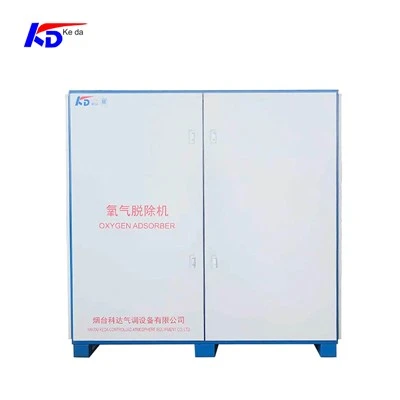
First off, let’s get on the same page about what each thing actually does. Oxygen adsorbers (sometimes we just call them “oxy scrubbers” around here, y’know, shorthand) are little packets of fine powder—usually iron-based, for the most common ones—tucked inside a breathable plastic pouch. Their whole gig is reacting with oxygen that’s trapped in a container or that seeps through tiny gaps in packaging over time. The iron rusts, basically, turning oxygen and water vapor (that’s moisture in the air) into iron oxide, locking that oxygen away so it can’t mess with your stuff. Wait a second—moisture is part of that reaction? That’s the first big link people miss.
Moisture in storage isn’t just “liquid water” sitting in the bottom of a box. It’s water vapor, which is floating in the air inside your sealed container. We measure this as relative humidity (RH)—that percentage you see on weather apps, right? 50% RH means the air holds half the maximum amount of water vapor it can at that temperature. The sweet spot for most storage is usually 30-50% RH, because above that, you get mold growing, metal rusting, paper warping, even pharmaceuticals breaking down. Below 30% is too dry—you might get wooden products cracking, or dried goods getting too brittle.
Here’s the thing: when you slap an oxygen adsorber into a sealed storage unit, it doesn’t just target oxygen. That chemical reaction I mentioned earlier? It needs a little moisture to get started, but it also uses up moisture in the process. Think of it like baking bread—you need water to make the yeast work, and the dough goes from dry ingredients to something soft because that water is part of the mix. The iron in the oxy adsorber reacts with both oxygen molecules and water vapor molecules. So as it scrubs out oxygen, it’s also pulling some moisture out of the air. That’s why you’ll notice those little indicator dots on some oxy packets—they change color when they’ve used up their moisture, which means they’re about to stop scrubbing oxygen too.
But wait, it’s not a one-way street. There’s this thing called equilibrium moisture content that’s super important here. Basically, all materials (the stuff you’re storing, and even the packaging itself) have a certain amount of moisture they want to hold, based on the RH of the air around them. Let’s say you’re storing dried fruit, which likes around 20% moisture content. If the air in your container is at 60% RH, the fruit will release some of its own moisture into the air to reach equilibrium. That released moisture would raise the container’s RH—bad news, because then you’ve got a moist environment. Enter the oxygen adsorber: it pulls that extra water vapor out, lowering the RH back down, which stops the fruit from losing too much moisture and keeps it from getting soggy or moldy.
I see this all the time with our food clients. They used to just use desiccants (those little silica gel packets) to control moisture, and separate oxy scrubbers for oxygen. But when they switched to our combined oxygen adsorbers that also handle moisture, they cut their material waste by like 25% because they don’t have to buy two different products. And they noticed their stored nuts didn’t go rancid (that’s from oxygen, by the way) and didn’t get sticky from excess moisture. That’s the magic overlap people don’t talk about enough—oxy adsorbers do double duty if you pick the right one.
But hold on, it’s not all perfect. There are times when oxygen adsorbers can cause moisture issues, if you pick the wrong size or type. Let’s say you use a tiny oxy adsorber for a big container. It’ll scramble to grab all the oxygen, but it’ll use up its moisture too fast. Once that moisture is gone, it stops reacting, so you’re left with oxygen still in the container, and the RH might jump a little because the adsorber isn’t pulling any more moisture out. That’s a problem. Or if you store something that’s super moisture-heavy, like fresh herbs that still have a lot of water in them, a standard oxy adsorber might not be enough—you might need a desiccant paired with it, or a high-capacity oxy scrubber that can handle more moisture.
I also talk to our industrial clients who store electronics components—little circuit boards that get rusty if there’s even a tiny bit of moisture. They used to blow dry air into their containers before sealing, but that’s expensive and risky because if the seal breaks, moist air gets in right away. Now they use our oxygen adsorbers, and we test their specific storage volume and product type to pick the right adsorber. We found that in these cases, the RH stays right around 40% for up to two years, which is way better than the 55% they had with just dry air. No rust, no returned parts, way less hassle.
Another common question I get: does temperature affect how oxygen adsorbers handle moisture? Abso-freaking-lutely. If you store something in a cold space, like a warehouse in the winter, cold air can hold way less water vapor than warm air. So if you bring a sealed container from a warm loading dock (which has high RH) into a cold warehouse, the moisture in the air will condense on the inside of the container—like when your soda can sweeps on a hot day. The oxygen adsorber will react to that condensed moisture, pulling it out, but if you don’t account for that condensation, the adsorber might get saturated too fast, so it can’t handle the oxygen. That’s why we always ask clients about their storage temperature and how much the temperature fluctuates—we don’t just sell a one-size-fits-all packet.
Let me give you a real example. Last year, a small craft brewer reached out to us because their stored hops were going moldy before they could use them. Hops are super sensitive—too much moisture and they grow mold, too much oxygen and they lose their aroma. They were using desiccants and oxygen absorbers separately, but they said the hops still had a “musty” smell within 6 months. We sent them a sample of our high-capacity oxygen adsorbers, calculated based on their 5-gallon storage bucket, and told them how many to use per bucket. They started using them, and now their hops stay at 35-40% RH for 10 months, which is exactly what they need. No mold, no lost aroma, and they saved money because they didn’t need desiccants anymore. That’s the kind of win I love seeing.
Wait, but what about when you’re storing things that need more moisture, like pharmaceuticals? A lot of medications have specific RH requirements, and you can’t just have a random oxygen adsorber messing with that. We have clients who store certain inhalers that need 40-45% RH—if the oxy adsorber pulls it too low, the inhaler powder can clump. So we use a special formulation of oxygen adsorber that only uses a small amount of moisture to react, so it doesn’t lower the RH below the required level. We test each formulation before we send it out, because one size definitely doesn’t fit all here.
I think the biggest misconception people have is that oxygen adsorbers and moisture control are two separate things. But they’re actually connected at the molecular level—both oxygen and water vapor are gases in the air of your sealed storage, and the chemical reaction that makes oxy adsorbers work involves both. If you ignore that link, you’re gonna have problems. If you embrace it, you can make your storage way more effective, less costly, and less hassle.
Now, if you’re the type who’s testing this on your own, here’s a quick tip: don’t just guess how many adsorbers you need. You can calculate it by the volume of your container, the initial RH, and the type of product you’re storing. For example, a 1-gallon container at 60% RH with dried food will need about one 100cc oxygen adsorber. But if it’s something moisture-heavy, you might need a higher cc rating, or even a combination with a desiccant.
At the end of the day, the goal of any storage is to keep your goods in the exact condition you left them, right? Whether that’s food you want to stay fresh, parts you want to stay rust-free, or chemicals you want to keep stable. Oxygen adsorbers aren’t just for oxygen—they’re a moisture control tool too, if you use them right. The key is picking the right type and size for your specific storage needs, not just grabbing the cheapest packet off the shelf.
If you’re dealing with moisture issues in your storage right now, or if you’re not sure which oxygen adsorber is right for your product, hit us up. We don’t do pushy sales talk, we just break down what works based on what you’re storing, how big your space is, and your storage conditions. No one-size-fits-all, no complicated contracts, just real advice from folks who’ve been in the oxygen adsorber game for years. Reach out, and we can walk through it together.
CA Marine Transport Refrigerated Container References
- Robertson, G. L. (2012). Food Packaging: Principles and Practice (3rd ed.). CRC Press.
- Lunt, J. (2008). Oxygen scavengers for food packaging applications: A review. Trends in Food Science & Technology, 19(6), 291-299.
- Zwaneveld, L., & Page, B. (2008). The effects of oxygen absorbers on moisture in sealed packaging for pharmaceutical products. Pharmaceutical Technology, 32(10), 58-64.
- Rooney, M. L. (1995). Active Food Packaging. Springer.
- Caminiti, R., & Morlock, G. E. (2013). Influence of oxygen absorbers on relative humidity in hermetic packaging for stored commodities. Journal of Stored Products Research, 54, 55-61.
Yantai Keda Zhixian International Trade Co., Ltd.
As one of the leading manufacturers and suppliers of oxygen adsorbers in China, we have world-leading production equipment and strong manufacturing capabilities. Please feel free to buy high-grade oxygen adsorbers for sale here from our factory.
Address: No.18-2, Wuhan St, Yantai ETDZ, Yantai, Shandong, China
E-mail: ytkeda2026@163.com
WebSite: https://www.kedacastorage.com/
