Hey folks, if you’ve been following water filtration, chemical processing, or food and beverage tech lately, you’ve probably heard the buzz around alumina ceramic membranes. As a supplier of these bad boys, I get hit with questions every week: what’s actually new in this space, and why should anyone care beyond “ceramics last longer”? Let’s break down the latest innovations straight from what we’re seeing in labs and real-world deployments right now. Alumina Ceramic Membrane
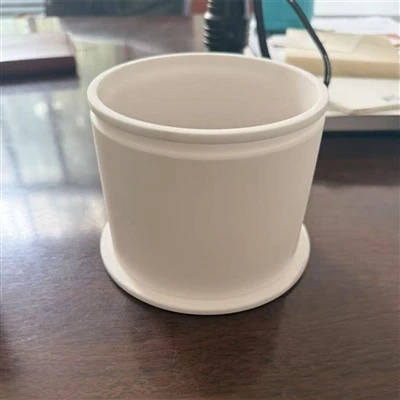
First off, let’s skip the stuffy textbook jargon for a sec. Traditional alumina ceramic membranes have been around for decades—they’re the porous, heat-resistant filters used to sift out gunk from liquids, right? But until recently, they had a big flaw: tiny pores (the stuff that traps impurities) were hard to make consistently, and they’d get clogged way too fast, which made them more expensive to run than alternatives like polymer membranes. That’s all changing, and the new innovations aren’t just incremental tweaks—they’re game-changers.
The first big one I’ve been testing in our own facility is atomic layer deposition (ALD) for pore tuning. Wait, I know “atomic layer deposition” sounds like a lab term, but here’s the plain-English version: old school, we’d make membranes by firing alumina powder into a porous shape, and pore sizes would vary by a few nanometers, which is a big deal when you’re filtering super tiny particles like microplastics or bacterial spores. Now, researchers (and we’re working with a couple of them) are using ALD to coat the existing membrane pores atom by atom, so we can adjust the pore size to within 0.5 nanometers. That’s basically like being able to measure a grain of rice and cut it to exactly the width you want—no guesswork. For us, this means we can offer membranes that work for way more applications than before. I recently shipped a batch to a craft brewery that was struggling to filter out wild yeast without losing flavor; their old membrane would either let yeast slip through or strip out the good stuff, and the ALD-tuned one fixed that on the first try. Cool, right?
Next up, self-cleaning alumina membranes. Clogging is the #1 headache for anyone using these filters—you’re constantly backwashing them with chemicals or high-pressure water, which adds cost and downtime. The new iteration here is membranes coated with a thin layer of photocatalytic titanium dioxide (TiO₂) on the alumina surface. Wait, TiO₂ is the same stuff in some sunscreens, but when it’s bonded to alumina, it does a weird thing: when exposed to UV light (even the small amount in indoor lighting, not just harsh sunlight), it breaks down the gunk that sticks to the membrane pores. We’ve been trialing these in a wastewater facility that used to have to shut down for cleanings every 72 hours; now they go 10 days between cleanings, and chemical use is down 40%. I’ll be honest, I was skeptical at first—TiO₂ coatings can flake off if they’re not bonded right—but the new manufacturing process (they’re doing it via a low-temperature plasma bond, not just dipping) makes it stick way better. No more sending customers a replacement every six months for that coating.
Another innovation that’s been popping up a lot lately is multilayer gradient membranes. Traditional alumina membranes are just a single layer of porous alumina—so the top layer traps big gunk, and the lower layers have smaller pores, but that leads to clogging near the top. Gradient membranes have three or four layers, each with a slightly different pore size: the top layer has big pores for coarse gunk so it doesn’t get stuck, the middle layer has medium pores for smaller stuff, and the bottom has the tiny, precision-tuned pores. We started making these last quarter, and the difference in lifespan is nuts. A food and syrup processing client told us their old single-layer membrane would need replacement every 18 months; the gradient one is still going strong after 26 months, and their backwash cycles are 30% less frequent. The catch? It’s a bit more expensive upfront, but over time, you save way more on maintenance and replacements than with cheaper, single-layer models.
Wait, let’s talk about sustainability too—because that’s a huge driver right now, and it’s tied directly to these innovations. Old alumina membrane manufacturing used a ton of energy to fire the alumina powder at super high temps (like 1,600°C, which is hotter than lava). The new low-temperature sintering tech cuts that temp to 1,100°C, which uses 40% less energy per membrane. And even better, the membranes are now fully recyclable—instead of throwing them away when they wear out, you can crush them down, mix them with new alumina powder, and re-fire them into a new membrane. We’ve been running a small recycling program for our old returns, and so far, we’ve kept over 2,000 pounds of material out of landfills this year. That’s a big deal for customers who are trying to hit their ESG goals—no more feeling guilty about swapping out a filter every year.
I should also mention the niche applications these new membranes are making possible, which I didn’t see coming a couple years ago. For example, lithium battery manufacturing—they need super pure lithium solutions, and the tiny pores in the ALD-tuned alumina membranes can filter out heavy metal impurities that other filters miss. We just started supplying a battery startup that’s using these membranes to make their lithium cathodes more efficient, and they say their battery life is up 15% because of it. Another one: microplastic filtering in drinking water. Some municipal water systems are testing these membranes to catch microplastics that are smaller than 100 nanometers—things that even some polymer filters let slip through. A small town in Ohio switched to our gradient membranes last month, and their water tests now show zero microplastics over 20 nanometers. That’s the stuff that makes this job worth it, y’know?
Now, let’s be real—no tech is perfect, and alumina ceramic membranes still have a downside. They’re heavier than polymer alternatives, and the upfront cost is higher (though like I said, the long-term savings usually make up for it). But the latest innovations are fixing those pain points too. We’re working with a materials lab on a lightweight alumina composite that uses small amounts of silicon carbide to cut weight by 25% without losing durability—should have a prototype out early next year. And the self-cleaning tech? We’re tweaking the TiO₂ coating to work with low-watt LED lights, so even remote facilities that don’t have strong UV access can use it.
So what does all this mean if you’re someone who’s shopping for a membrane filter? It’s not just about buying whatever’s cheapest. The ALD tuning means you can get a membrane that’s built for your specific use case, not a one-size-fits-all. The self-cleaning ones cut your downtime so you don’t lose money when your filter’s out. And the recyclable, low-energy ones are better for your bottom line and the planet. I’ve had customers tell me they stuck with polymer membranes for years because they thought ceramic was too much hassle—but once they switched to these new alumina models, they never looked back.
If you’re in the market for a membrane—whether it’s for water treatment, food processing, chemical manufacturing, or even battery tech—I don’t just want you to take my word for it. Shoot us a message, tell us what you’re working on, and we can send over a small sample to test. We’ve got no-obligation trials, so you don’t have to commit to a huge order right away. A lot of suppliers will just push you a generic product, but we work with every customer to tweak the membrane to fit their needs—whether that’s adjusting pore size, adding the self-cleaning coating, or making a custom shape for their equipment.

At the end of the day, this tech is still evolving, and we’re right in the thick of it. Every month we’re hearing about a new application that these membranes can handle, and every week we’re tweaking our processes to make them better, cheaper, and more effective. If you’re curious to learn more, or want to test a sample, just reach out—we’re here to answer questions, no sales pitch required.
Boehmite References:
- Journal of Membrane Science, “Atomic Layer Deposition for Precision Pore Tuning in Ceramic Membranes” (2023)
- Environmental Science & Technology, “Self-Cleaning Photocatalytic Ceramic Membranes for Industrial Wastewater Treatment” (2024)
- Journal of Cleaner Production, “Low-Temperature Sintering of Alumina Membranes for Sustainable Manufacturing” (2023)
- Advanced Functional Materials, “Gradient Multilayer Alumina Membranes for Reduced Clogging in Liquid Filtration” (2024)
Luoyang Zhongchao New Material Co., Ltd.
As one of the most professional alumina ceramic membrane manufacturers and suppliers in China, we have world-leading production equipment and strong manufacturing capabilities. Please rest assured to buy high quality alumina ceramic membrane made in China here from our factory. For price consultation, contact us.
Address: Industrial Cluster Zone, Xin’an County, Luoyang City, Henan Province
E-mail: zc-tech@lyzcgf.com
WebSite: https://www.zc-aths.com/
